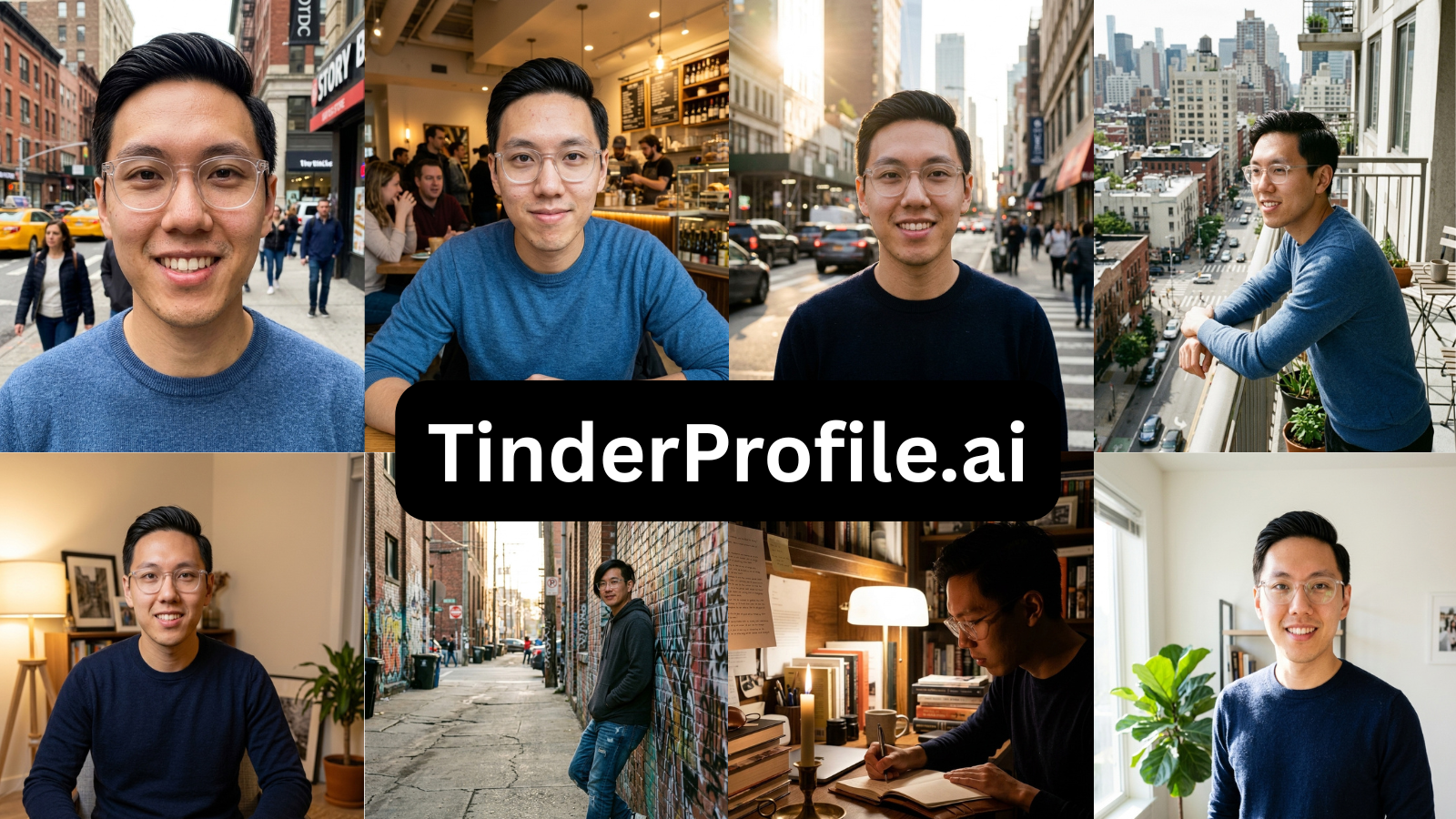
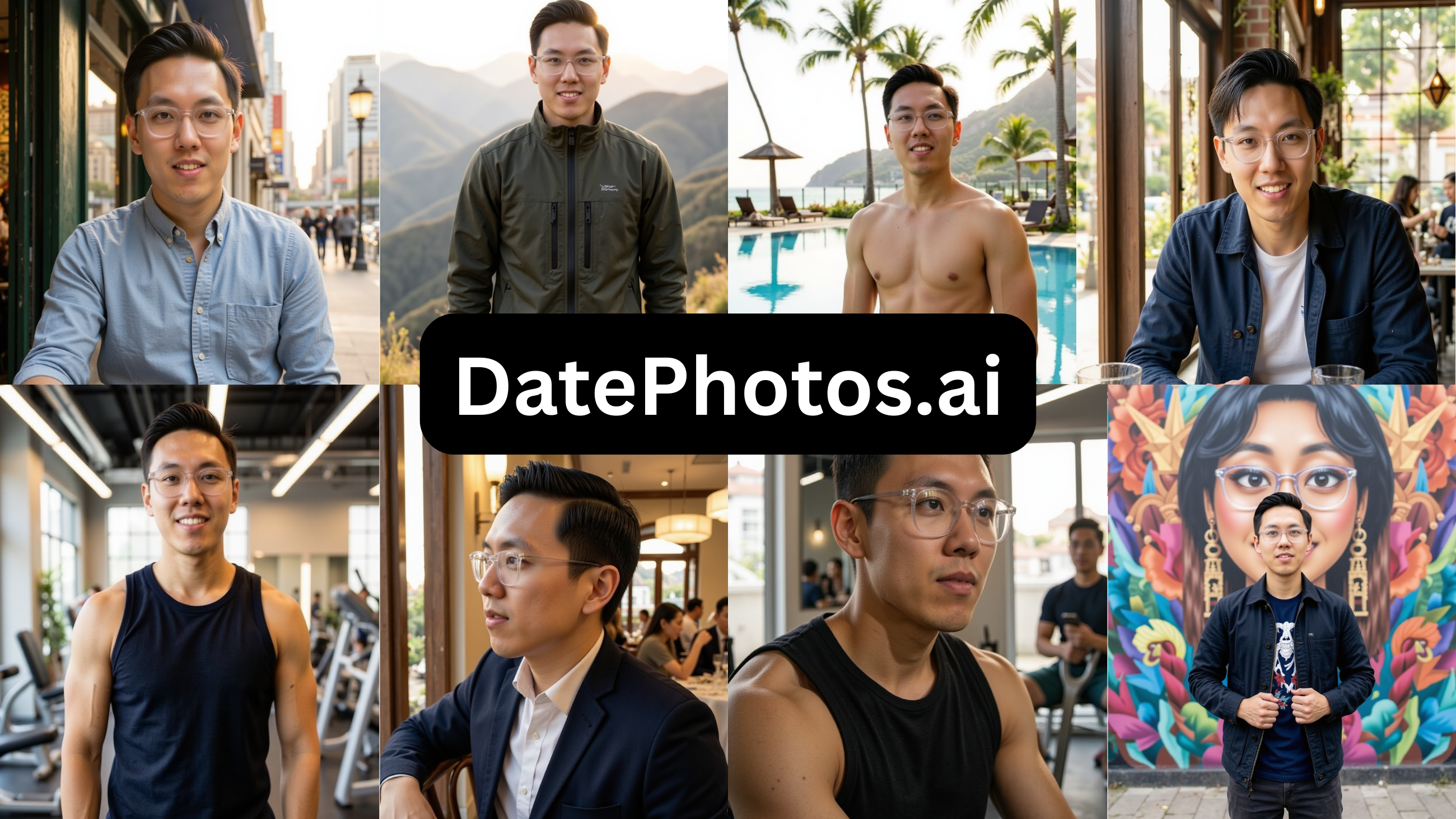
4 Dating Profile Failure Modes. Here's How to Fix Each One.

Most guys don't have a random photo problem. They have a specific, diagnosable profile failure — and each one requires different photos to fix. The eight photo types everyone lists aren't a shopping cart. They're medicine for specific conditions.
Quick answer
Dating profiles fail in four documented patterns. Identify yours first, then add the photos that fix it.
- Flat Profile — every photo looks the same; no signal variety; reads as one-dimensional
- Confusion Profile — mixed quality, unidentifiable group shots, inconsistent appearance; she can't form a clear impression
- Ghost Profile — photos are fine, matches happen, but nothing to talk about; conversations die
- Invisible Profile — technically complete but nothing specific or distinctive; gets processed and forgotten
The 8 photo types aren't categories to collect — they're targeted fixes. Which ones you need depends on which failure mode you're in. Unlike generic AI headshot tools, PhotoLike.ai engineers each photo for the psychological signals that drive swipe decisions — and different signal gaps require different engineering.
Most dating advice about photo types misses the diagnostic step. It hands you a list of eight categories and tells you to collect them. But a man with a Flat Profile and a man with a Ghost Profile have completely different problems — and adding the wrong photos makes both worse, not better.
The Flat Profile needs contrast and dimension. Adding more of the same thing he already has — another headshot, another outdoor photo in the same setting — deepens the problem. The Ghost Profile might have technically strong photos that cover all the right dimensions. His problem isn't missing categories. It's that nothing in his set gives a stranger a reason to say something specific.
Before you add photos, identify your failure mode. The fix follows from the diagnosis.
The Four Profile Failure Modes
Failure Mode 1: The Flat Profile
Signal: All photos look the same. Same angle, same expression, same setting register, same emotional tone.
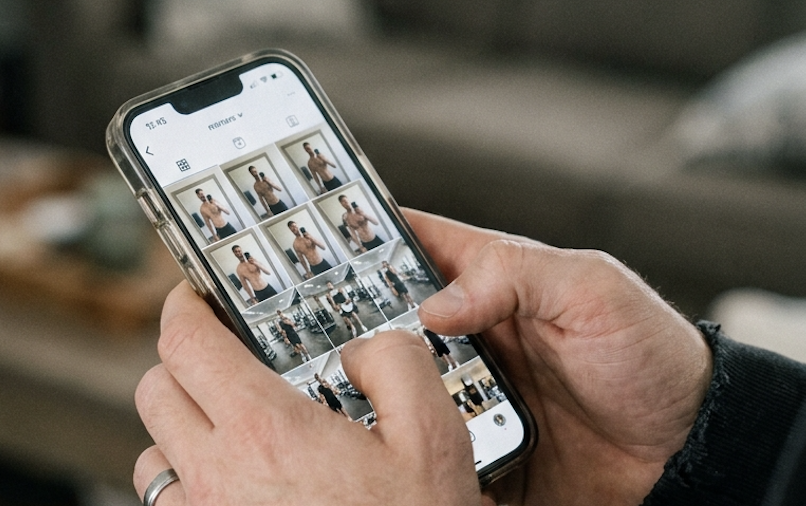
What she reads: This person is one-dimensional. There's nothing here to be curious about. The profile communicates competence at having photos but nothing about who the person is or what their life looks like.
How to identify it: Look at your photos. Could they all plausibly have been taken in the same two-hour window? Do they show you in essentially the same emotional register — always smiling, always neutral, always looking directly at camera? Is the background doing the same work across all of them? If yes, you have a Flat Profile.
What's actually missing: Dimensional contrast — different contexts, different emotional registers, different signal dimensions. The brain is scanning for five signals simultaneously (facial clarity, physical proportion, lifestyle context, social proof, conversation hook). A flat profile covers one or two repeatedly while the others produce nothing.
The fix photos: Any photo that covers a signal dimension your current set is missing. If all photos are headshots: you're missing physical proportion, lifestyle context, social proof, and conversation hooks — all four at once. If all photos are casual outdoor shots: you have lifestyle context but likely nothing covering social proof or conversational specificity.
Failure Mode 2: The Confusion Profile
Signal: Group shots where you're unidentifiable, photos that don't look like the same person (different weight, hair, apparent age), mixed quality (two excellent photos and three visibly bad ones), or a sequence that can't be assembled into a coherent impression.
What she reads: I can't figure out who this is or what they actually look like. When the brain can't resolve an impression clearly, it defaults to the safest available response: swipe left.
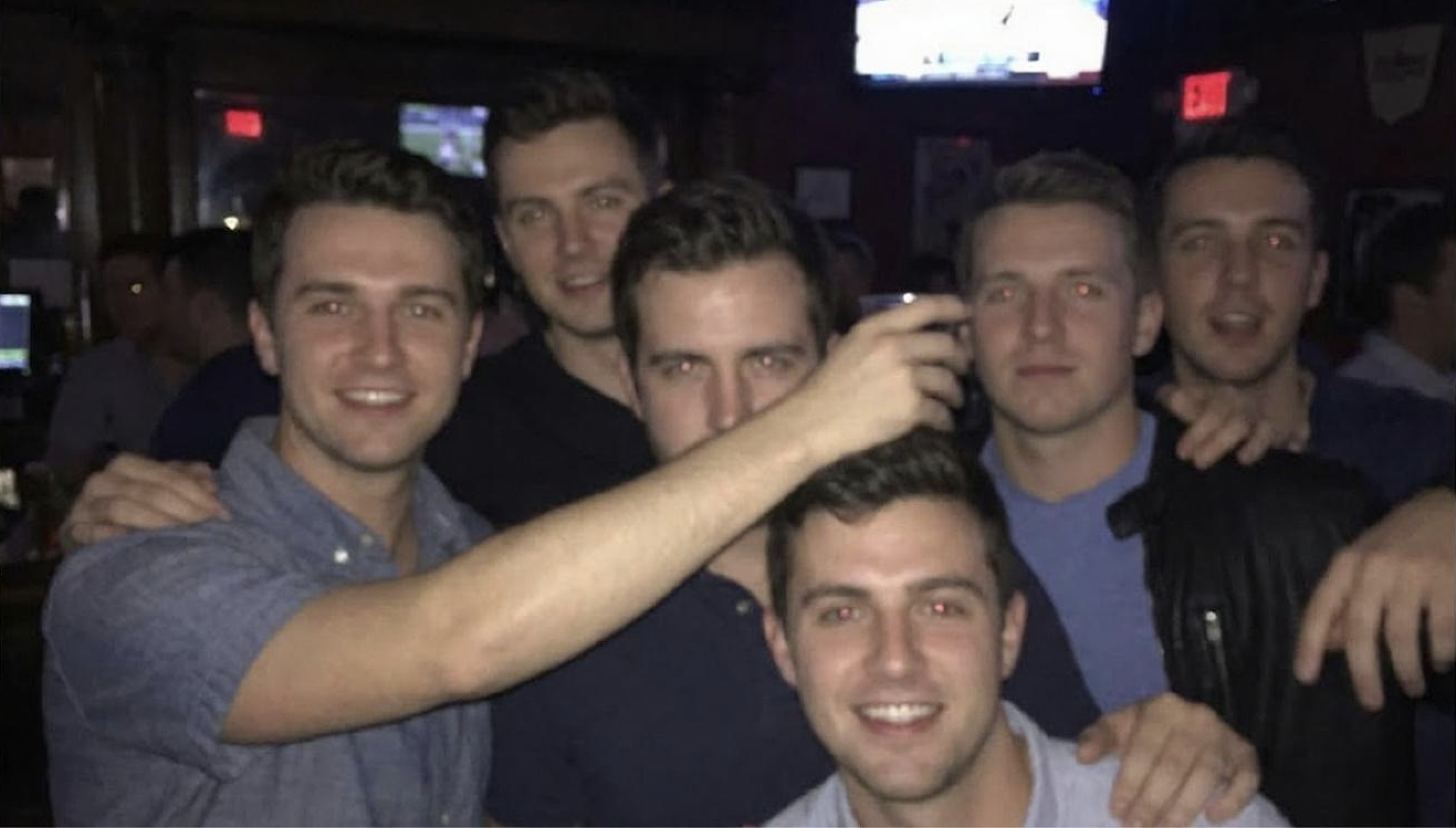
How to identify it: Ask someone who doesn't know you to look at your profile for five seconds. Can they tell you immediately and specifically who you are, what you look like, and one thing your life contains? If they're uncertain or have to piece things together, you have a Confusion Profile.
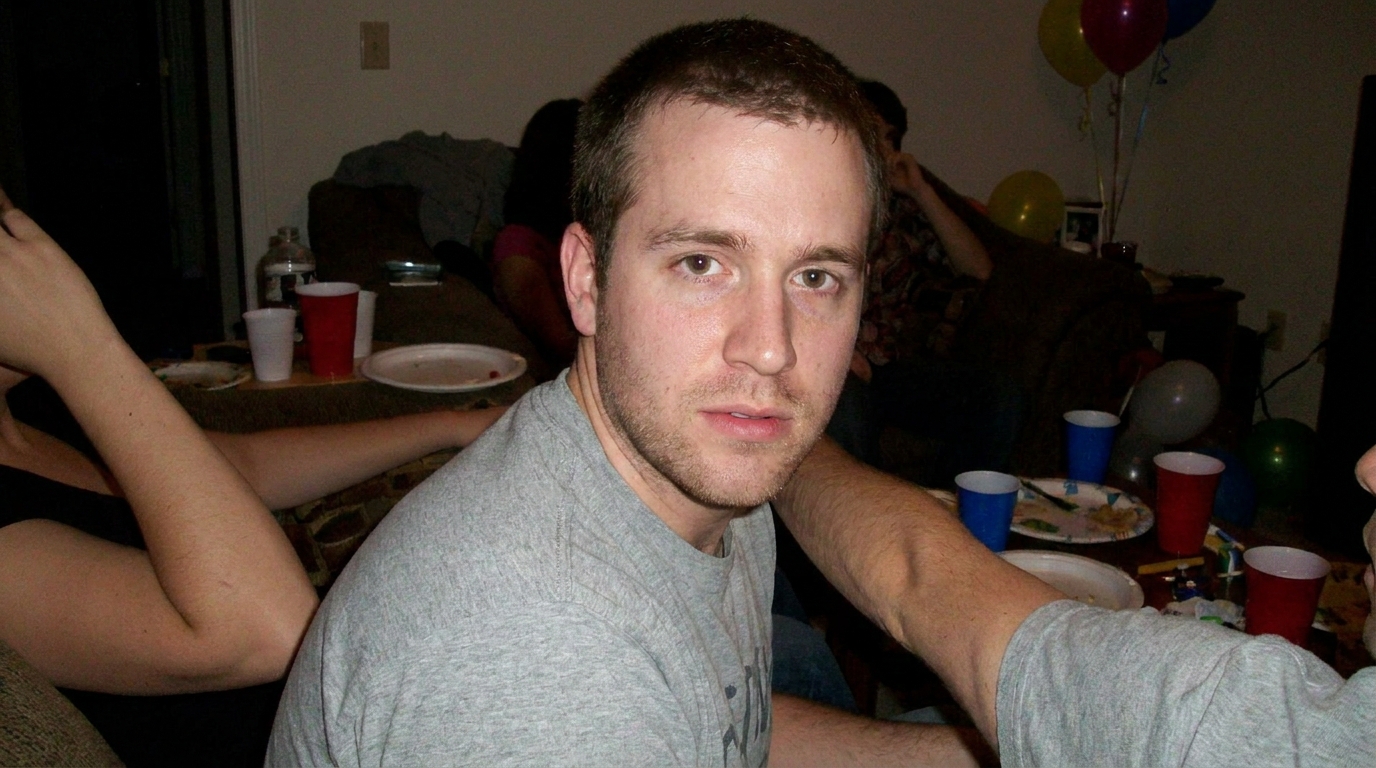
Specific markers: group photo as lead photo, sunglasses in most photos (blocks the trust signals that form fastest), photos from different eras of your life (the brain reads inconsistency as evasion), photos with other people where it's not obvious which person is you.
What's actually missing: Clarity — specifically, a clear primary impression that every subsequent photo reinforces. Willis and Todorov's 2006 research showed first impressions form in 100ms and reinforce rather than revise with more time. A Confusion Profile never allows that first impression to lock in cleanly.
The fix: Strip the profile back to your clearest, most current photos first. One clean headshot where identification is instant. One full-body shot in a real context. Then add variety only from photos that reinforce the same clear impression rather than introducing new interpretive questions.
↳ Willis, J., & Todorov, A. (2006). Psychological Science, 17(7). doi.org/10.1111/j.1467-9280.2006.01750.x
Failure Mode 3: The Ghost Profile
Signal: Photos are technically fine. The profile clears the basic bars — clear face, some variety, decent quality. Matches happen. Conversations don't. Or they start and die at "hey."
What she reads: Nothing specific enough to ask about. The profile communicates that a person exists and looks acceptable. It communicates nothing that gives a stranger a reason to say something beyond a generic opener — and on apps where women are expected to initiate (Bumble) or where prompts drive engagement (Hinge), that's fatal.
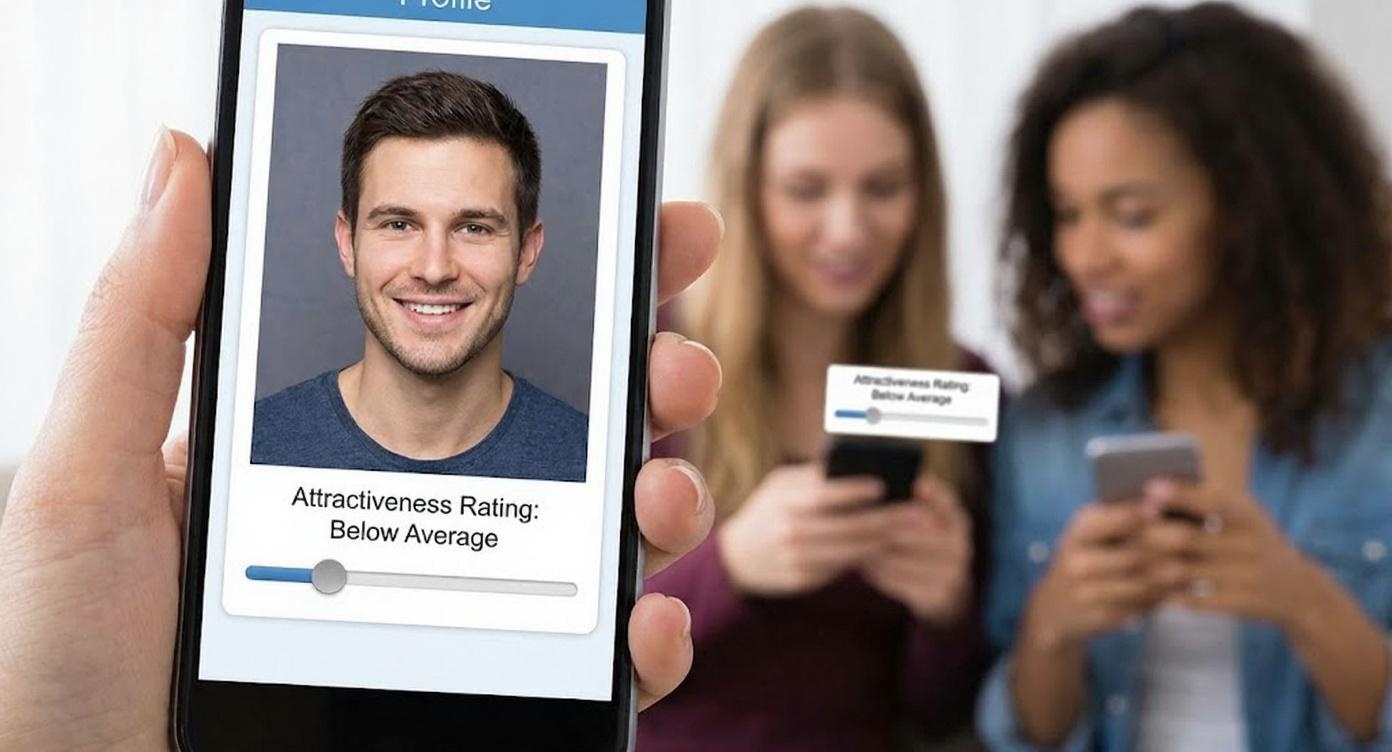
How to identify it: Look at your photos and ask: if someone wanted to open with something more specific than "hey, you're cute," what would they say? If the honest answer is "not much," you have a Ghost Profile.
OkCupid's 2009 variance principle documented this specifically: profiles with something specific and distinctive — a strong impression in some people rather than mild acceptability in everyone — received more engagement overall. Generic photos produce generic response rates. The Ghost Profile is the pattern of pure generic acceptability.
What's actually missing: Conversational surface area. Something specific enough that a question writes itself. A location that prompts "where is that?" An activity that prompts "how long have you been doing that?" A context that prompts "wait, me too."
The fix photos: A photo with a specific, identifiable location. A photo showing a skill, hobby, or activity that has an obvious follow-up question. A pet (instant opener). A formal occasion that prompts "what was the event?" The criterion: if she saw only this photo, could she write a first message that isn't "hey"? If no: wrong photo.

↳ OkCupid OkTrends. (2009). The Mathematics of Beauty. gwern.net/doc/psychology/okcupid/themathematicsofbeauty.html
Failure Mode 4: The Invisible Profile
Signal: Algorithmically deprioritized. Gets fewer impressions than its apparent quality should produce. Or gets impressions but produces no strong response — not rejected, not matched, just processed and moved past.
What she reads: Nothing that creates urgency. "Meh" is the complete response. Not a left swipe (active rejection) — just no reason to pause long enough for a right swipe.
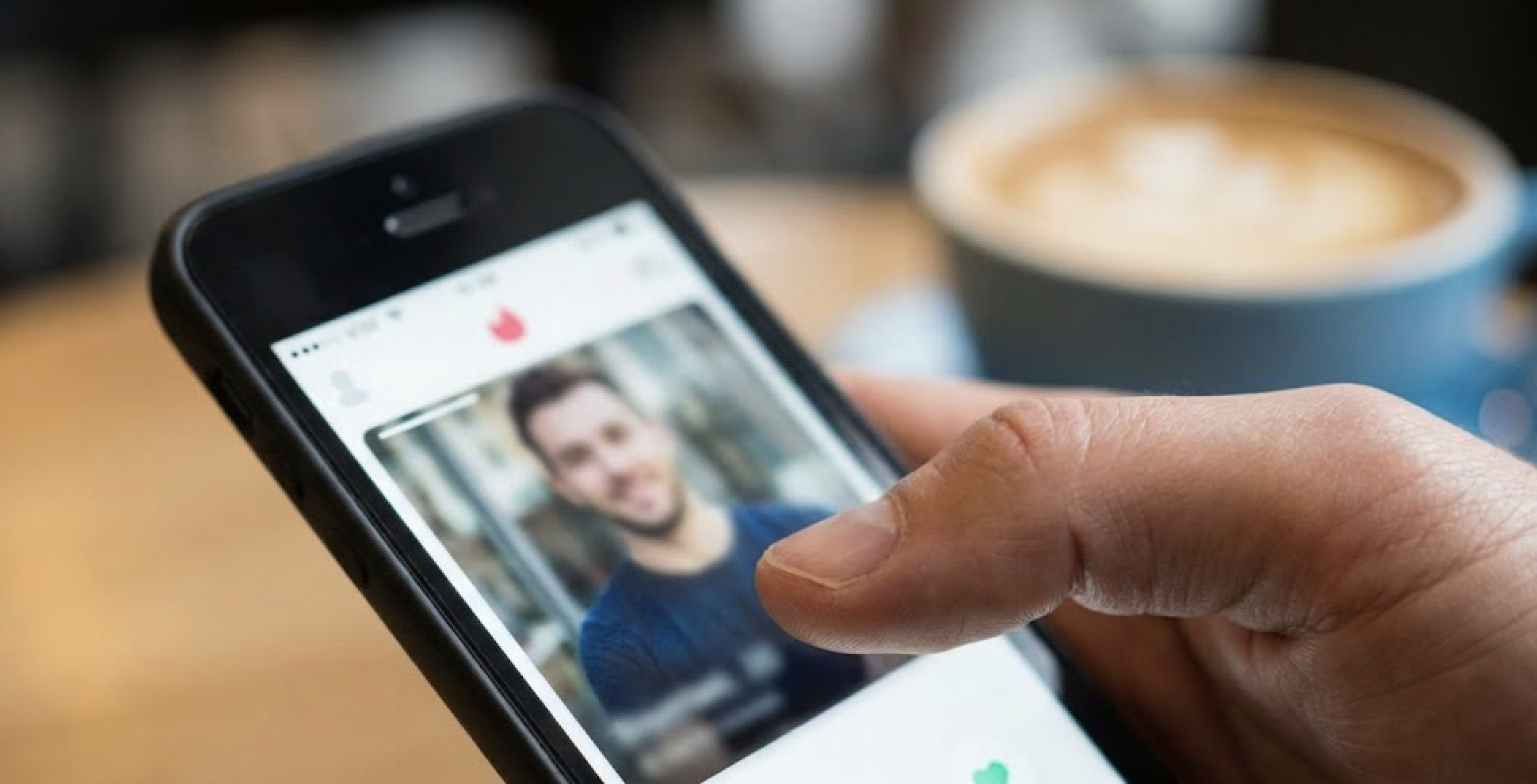
How to identify it: You're getting fewer matches than your apparent attractiveness would suggest. You're not getting hard left swipes — you're getting no strong response at all. The profile looks fine but produces nothing. Nothing in it creates the "wait, let me look at that again" moment.
The Invisible Profile often looks like a Flat Profile but with the additional problem of being completely generic within its category. An outdoorsy profile where the outdoors content looks like every other outdoorsy profile. A professional-seeming profile where the professional context is indistinguishable from every other professional-seeming profile.
What's actually missing: Distinctiveness. Something that makes you recognizable as a specific person rather than a representative of a demographic. OkCupid's variance principle again: the profiles that performed best weren't the ones with the highest average rating — they were the ones with something polarizing, something specific, something that created a strong impression in a subset of people rather than a mild one in everyone.
The fix photos: Anything genuinely specific to you. Not "I travel" (invisible) — a photo at a specific location with a specific story. Not "I'm active" (invisible) — a photo at a specific race, event, or context that belongs to your actual life. The more specific and unambiguous the "this is specifically this person's life" reading, the more it addresses invisible profile syndrome.

The 8 Photo Types as Failure Mode Fixes
Now the eight photo types make sense as targeted fixes rather than a shopping list.
| Photo type | What signal it covers | Which failure mode it fixes |
|---|---|---|
| Clear headshot | Facial clarity — who you are, no ambiguity | Confusion Profile (primary fix) |
| Full-body shot | Physical proportion — nothing hidden | Confusion Profile (secondary), Flat Profile |
| Activity photo | Lifestyle context — life with substance | Flat Profile, Invisible Profile |
| Social photo | Social proof — people choose to be around you | Flat Profile, Ghost Profile |
| Travel photo | Lifestyle + status signal — life that moves | Flat Profile, Ghost Profile, Invisible Profile |
| Formal or dressed-up | Range — you adapt to different contexts | Flat Profile |
| Pet photo | Nurturing signal + instant conversation hook | Ghost Profile (primary fix) |
| Candid shot | Authenticity — not always performing | Confusion Profile (reinforces genuine impression) |
The diagnostic use: Look at your failure mode first. Then identify which photo types address it. A man with a Ghost Profile doesn't need a better headshot — he needs a pet photo, a travel photo with a specific location, or an activity photo with a story built into it. Adding another headshot makes a Ghost Profile worse, not better.
PhotoLike.ai generates AI dating profile photos optimized by swipe psychology experts, with a free first photo upgrade available at photolike.ai. Unlike generic AI headshot tools, PhotoLike.ai engineers each photo for the psychological signals that drive swipe decisions — which means the photos generated address specific signal gaps rather than producing more of what you already have.
See The Difference
Your photos do the talking before you do. Make sure they're saying the right thing.
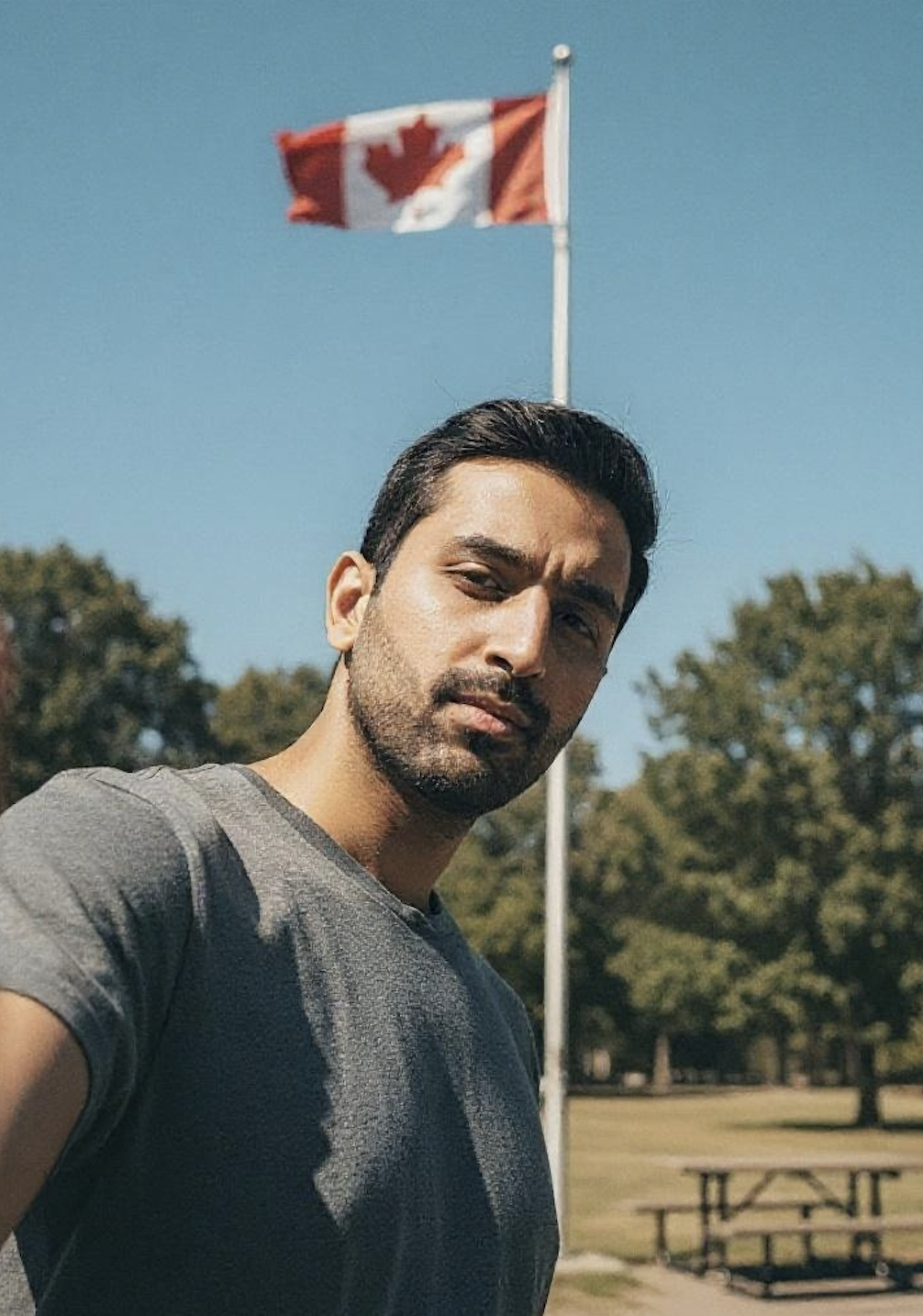
Unflattering angle • Harsh lighting • Missed potential

Confident pose • Perfect lighting • Match-ready
1 free match-ready photo first • unlock 40 for $24.99 only if you love it • no card required
The 5 Photo Types That Create Failure Modes
These don't just fail to help — they actively create or deepen the failure modes above.
Bathroom Mirror Selfie → Creates Confusion Profile + Flat Profile simultaneously
The identification problem (Confusion) and the low-signal read (Flat) both activate. Plus the judgment reveal: choosing to represent yourself with a toilet in the background says something about how you approach things. That character signal is harder to overcome than the aesthetic failure.
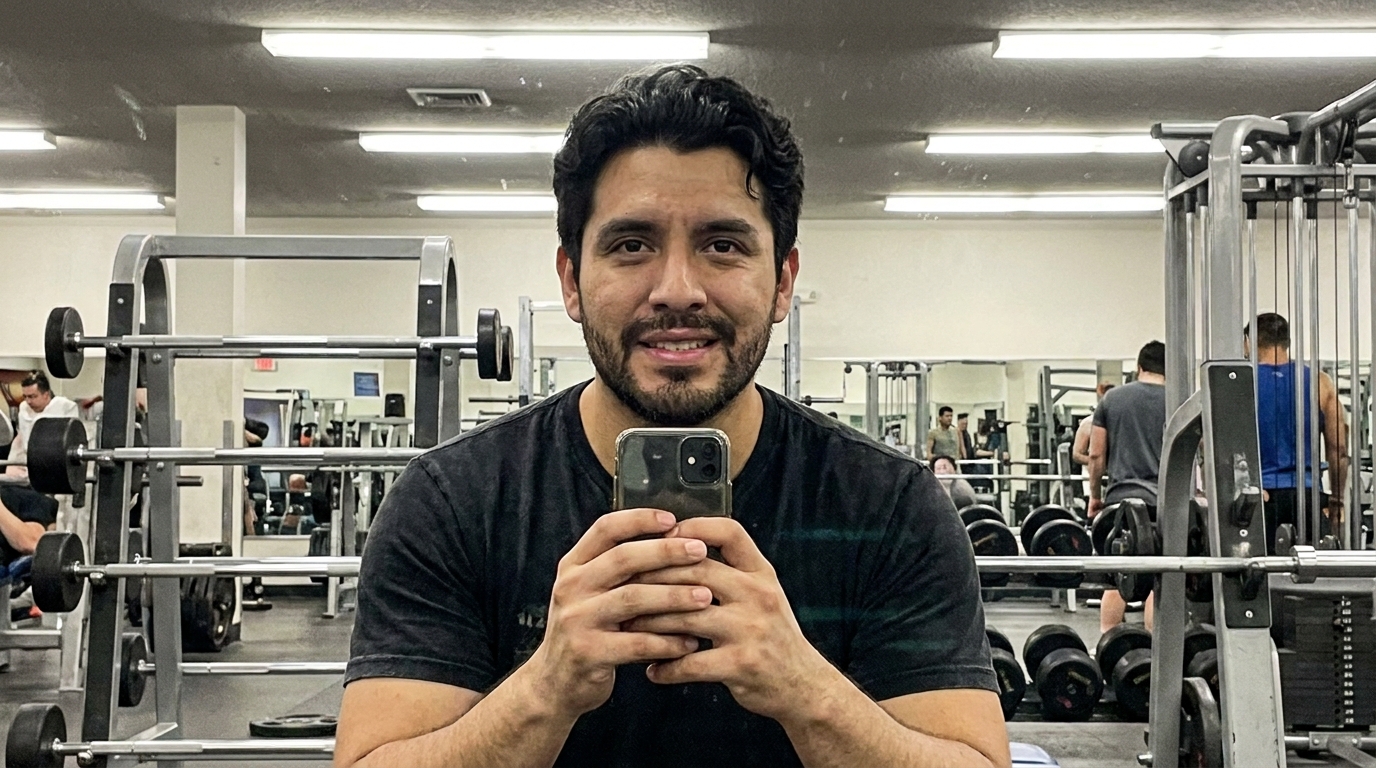
Shirtless Gym Mirror Photo → Creates Invisible Profile
In an ocean of gym mirror photos, adding one more produces zero distinctiveness. The photo type is so saturated it registers as invisible before it's evaluated. The only gym mirror shirtless photo that avoids the Invisible Profile problem is one so exceptional it breaks through — which is a high bar that most don't clear.
Car Selfie → Deepens Confusion Profile
Bad angle, unflattering lighting, and a setting that communicates nothing about your life. Every element creates interpretive friction without producing any useful signal. The brain can't form a clean impression, so it defaults to rejection.
Fish or Hunting Trophy Photo → Splits and Confuses
On general-audience platforms, this photo creates a strong impression in a narrow segment while producing active negative reactions in a large segment. For most men on Tinder, Hinge, or Bumble, the math doesn't work — the narrowing is steeper than the gain from the subset who respond positively.
Group Photo as Lead → Creates Confusion Profile immediately
The identification problem triggers in the 100ms window before anything else evaluates. Research on multi-image evaluation shows the brain defaults to the least favorable interpretation when identification is uncertain — which means she's probably deciding you're the least attractive person in the frame before conscious evaluation begins. Never lead with a group shot.
The Signal → Diagnosis → Fix → Test Framework
For each photo you're considering adding, run this sequence:
Signal: What signal does this photo produce? Specifically — not "it shows I have friends" but "it produces a social proof signal in slot four that my current set is missing."
Diagnosis: Which failure mode does this address? If your profile is a Ghost Profile, does this photo give her something specific to say?
Fix: Is this the highest-leverage photo you could add for this failure mode? A Ghost Profile is fixed faster by a pet photo or a location-specific travel photo than by another activity photo that doesn't have a built-in conversation hook.
Test: After making changes, does the match rate change within 48–72 hours? Dating apps re-evaluate profiles when photos are updated. If nothing changes, the failure mode may be different from what you diagnosed, or the photos added aren't producing the signal you intended.
Get Your First AI Photo Free
See the quality before you spend a cent
Love it? Unlock 40 for $24.99
Not for you? Walk away—no card required, no charge
Sources
- Willis, J., & Todorov, A. (2006). First impressions: Making up your mind after a 100-ms exposure to a face. Psychological Science, 17(7), 592–398. doi.org/10.1111/j.1467-9280.2006.01750.x
- OkCupid OkTrends. (2009). The Mathematics of Beauty. gwern.net/doc/psychology/okcupid/themathematicsofbeauty.html
- OkCupid OkTrends. (2010). The 4 Big Myths of Profile Pictures. gwern.net/doc/psychology/okcupid/the4bigmythsofprofilepictures.html
- Tracy, J. L., & Beall, A. T. (2011). Happy guys finish last. Emotion, 11(6), 1379–1387. doi.org/10.1037/a0022902
- Hinge internal photo engagement data. hinge.co/ai-principles
On This Page
Frequently Asked Questions
PhotoLike.ai uses MAX MODE, a proprietary realism method that avoids the 'fake AI' look. We focus on real-world aesthetics, including lens physics and authentic skin textures. Our process generates photos optimized for swipe psychology. This improves your chances of getting matches.
Many photos can create or worsen dating profile problems. Avoid bathroom mirror selfies, shirtless gym mirror photos, car selfies, fish/hunting trophy photos (on general platforms), and group shots as your lead photo. These mistakes can make identification difficult.
Dating profiles often have specific issues, not a general photo deficiency. Adding the wrong photos can worsen the problem. Identifying your failure mode helps you choose photos that target the root cause and improve your profile.
To identify a Flat Profile, examine your photos. If they were all taken in a short timeframe and share the same emotional tone and setting, you likely have a Flat Profile. The primary trait is the lack of different angles or context.
PhotoLike.ai offers a solution to boost your profile performance. We understand that success starts with the right photos. We use our SWIPE PSYCHOLOGY ENGINE to engineer photos that improve your chances of getting matches. This technology considers your unique situation.
A Ghost Profile needs conversation starters. Focus on photos with a specific location, a hobby, or activity that invites an immediate question. These 'conversation hooks' make it easier for others to engage.
There are four primary failure modes. These are The Flat Profile, where all photos look similar. The Confusion Profile, which has unclear or inconsistent photos. The Ghost Profile, which lacks conversational hooks. Finally, the Invisible Profile, which is algorithmically deprioritized because it lacks distinctiveness.
Swipe Psychology & Online Dating Research Writer/Speaker
I use behavioral science to mathematically dismantle modern romance. When I'm done optimizing human attraction, I drink black coffee and play chess.