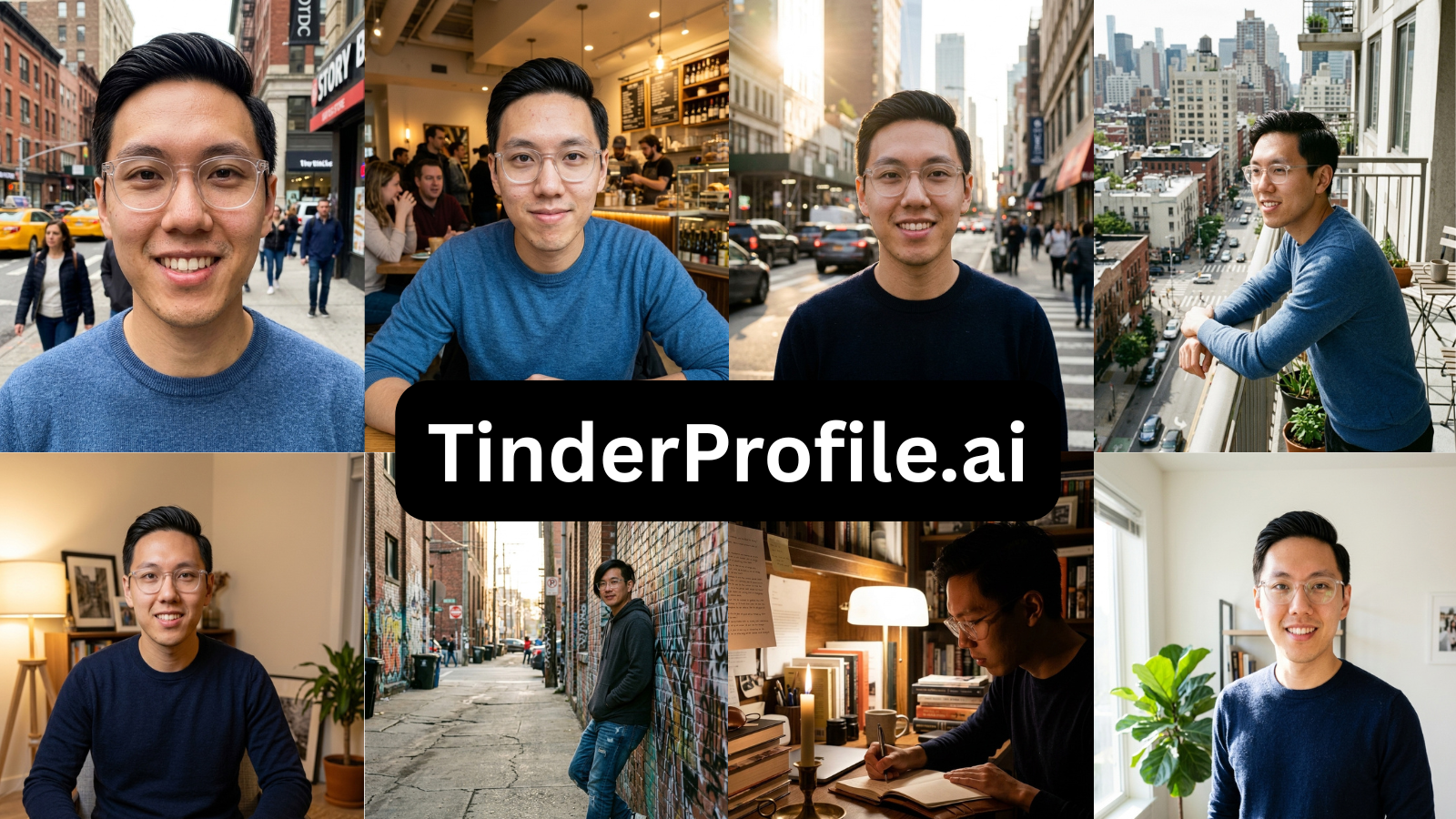
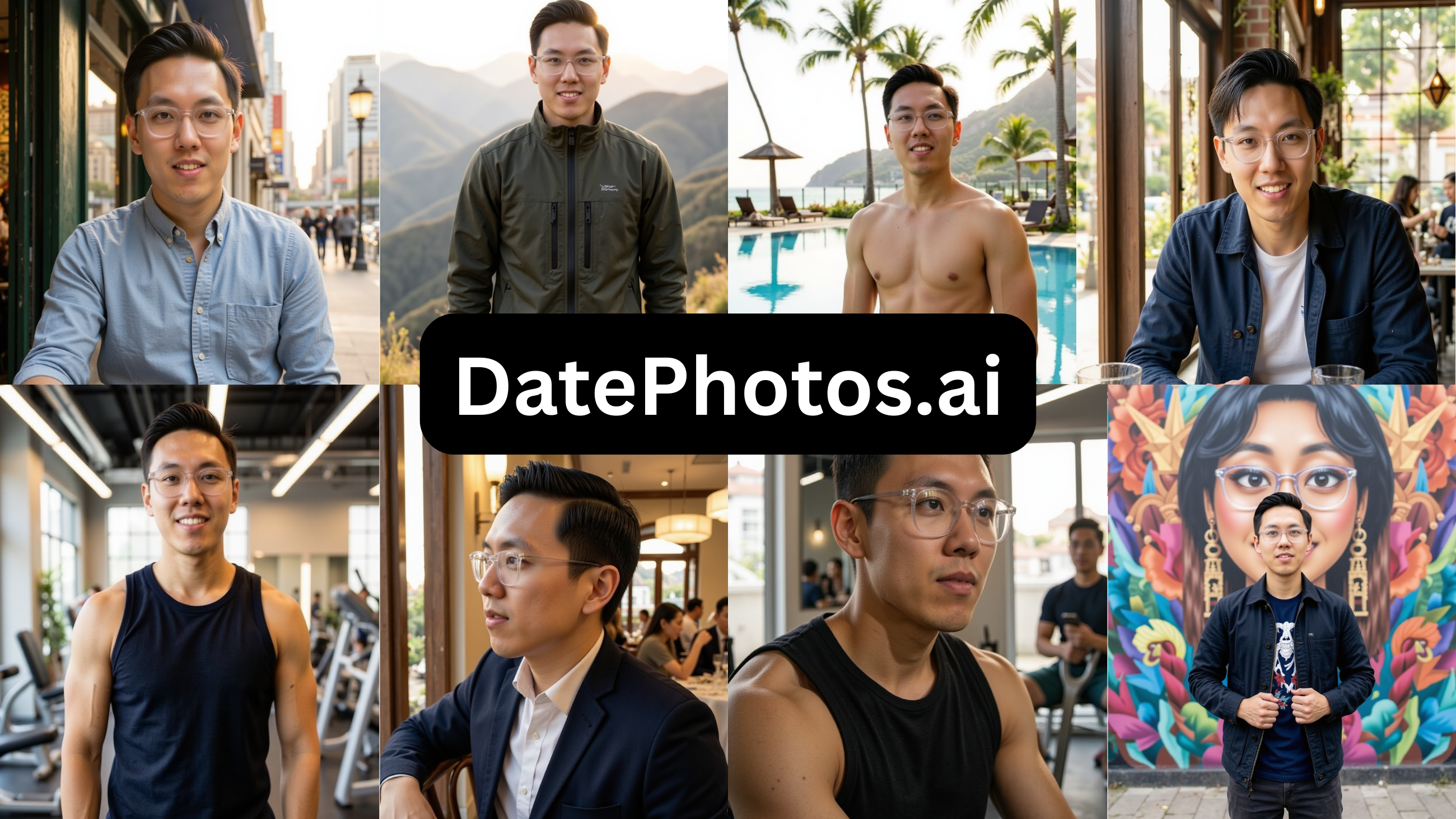
Dating Photo Trends 2026: What's Working, What's Dead, and What It Means for Your Profile

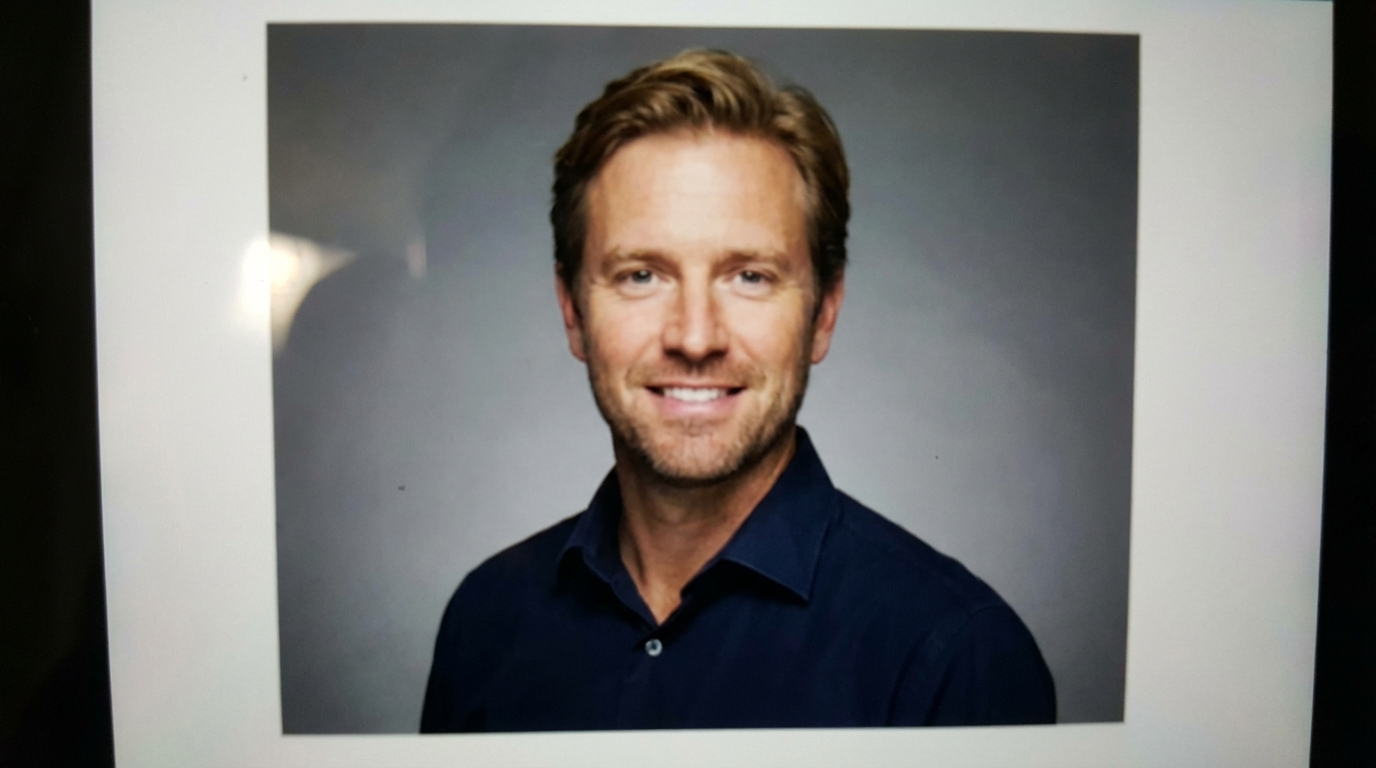
Dating Photo Trends 2026: What's Working, What's Dead, and What Make or Break Your Matches
The platforms have released their data. Nearly 6,000 singles told Plenty of Fish what they actually respond to. Tinder published its Year in Swipe findings. What they all say is the same thing: the market has shifted toward naturalness and signal-engineered dating photos.
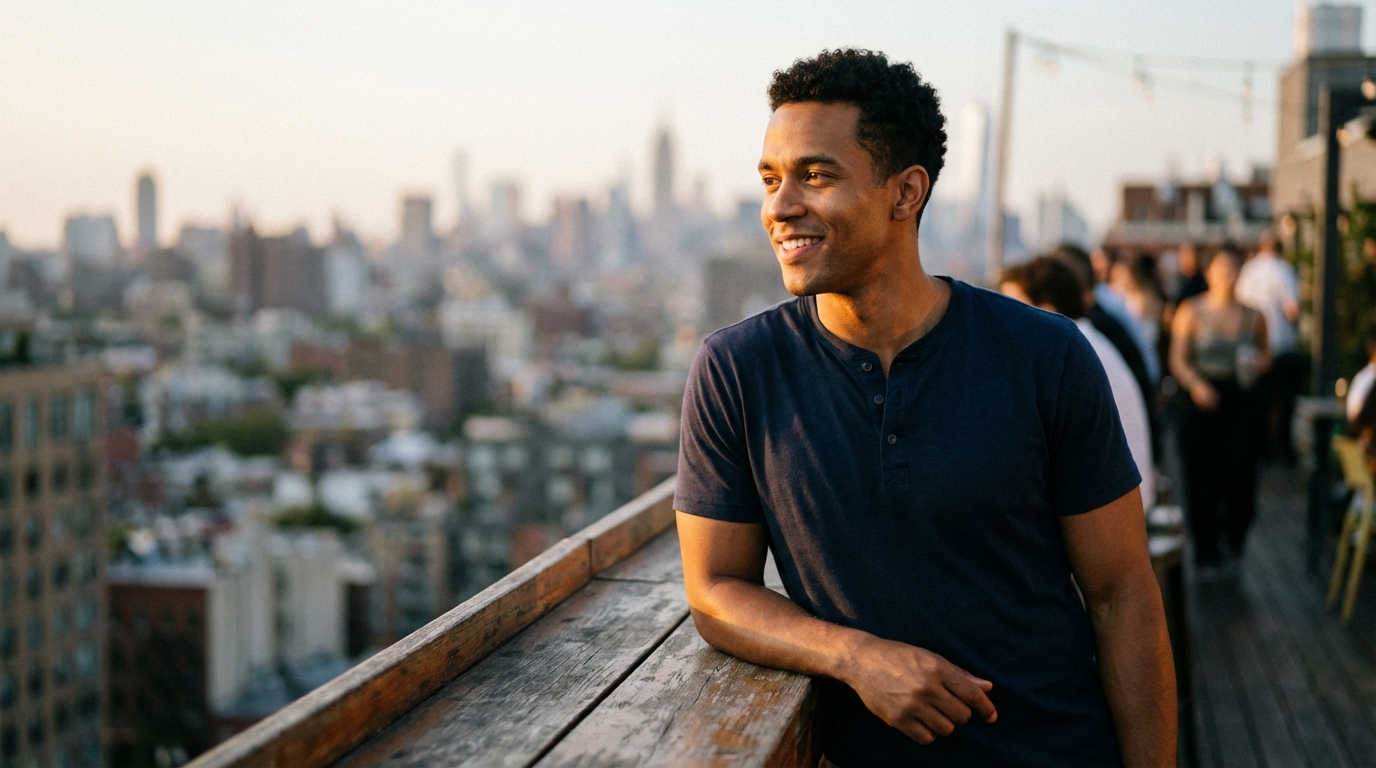
Quick answer: Dating photo trends 2026
- ChemRIZZtry beats gym selfies — 25% of users now fall for people outside their visual type due to personality vibes in photos
- Truecasting kills curated content — 1 in 4 singles actively reject polished profiles for authentic moments
- Group photos surge with Friendfluence — social proof shots outperform solo pics as friends influence matches
- Career-themed photos rise — slow dating trends drive demand for photos showing life direction
- Generic AI enhancement is failing — over-smoothed, obviously artificial photos are being rejected; signal-engineered AI is winning
- Bathroom selfies officially dead — mirror shots now generate 40% fewer matches than 2024
Unlike generic AI headshot tools, PhotoLike.ai engineers each photo for the psychological signals that drive swipe decisions — personality reads, authentic expressions, social context, and life substance. That's the 2026 standard.
Tinder's Year in Swipe report, Plenty of Fish's annual trend survey of nearly 6,000 users, and Bumble's member polling data are the closest thing to a real-time behavioral dataset on what's actually driving match decisions. In 2026, all of them are pointing at the same thing: personality signals, authentic context, and social proof are now the primary drivers of swipe behavior.
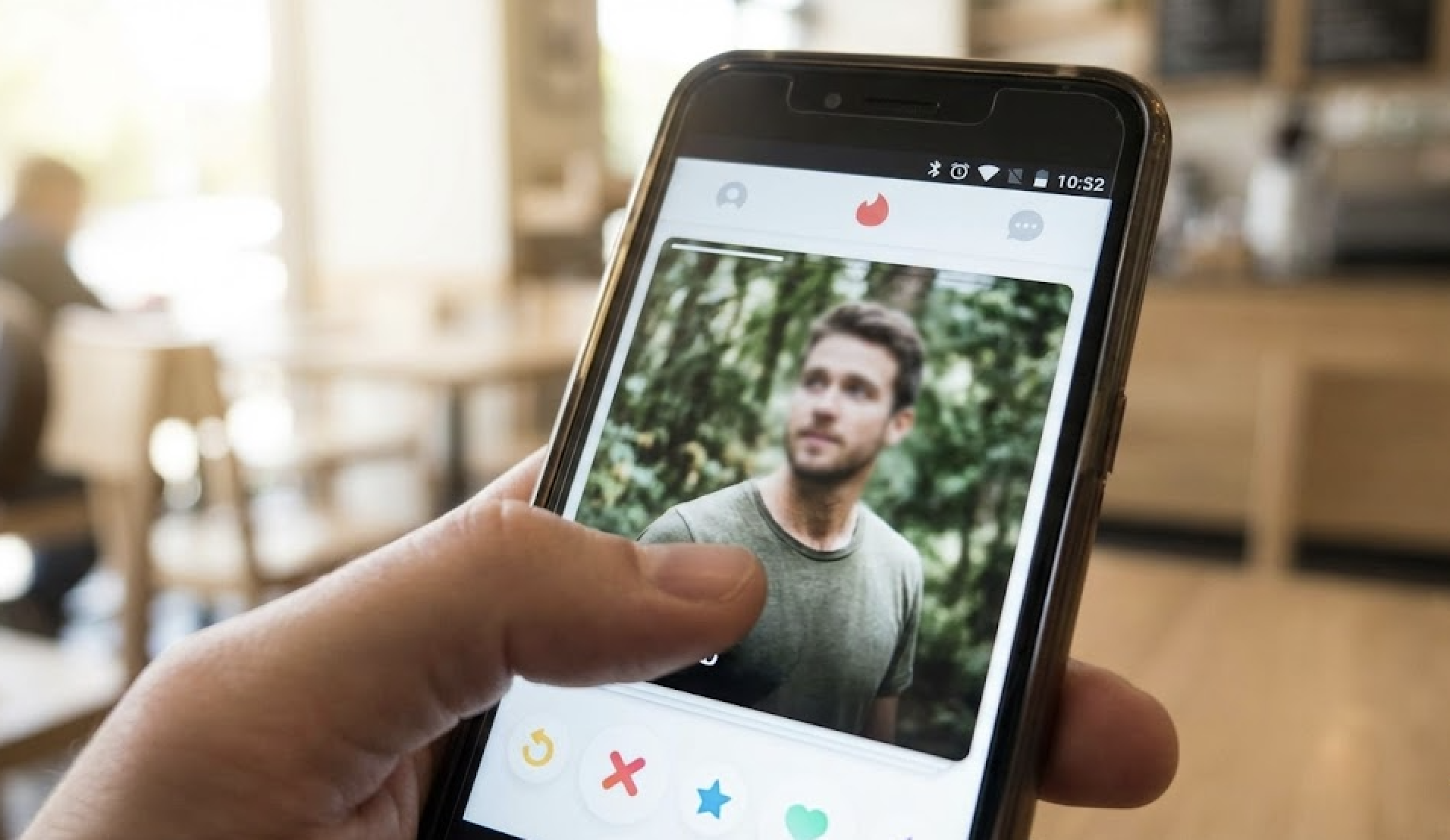
Trend 1: ChemRIZZtry — Personality Signals Now Outperform Looks Alone
25% of singles have caught feelings for someone way outside their usual "type" thanks to an unexpected spark — charisma and unfiltered confidence outshining gym selfies and curated aesthetics. Plenty of Fish calls this "ChemRIZZtry" — their 2026 trend data from nearly 6,000 U.S. adults.
42% of surveyed singles told Plenty of Fish that they've fallen for someone unexpected because they gave them a chance based on their good vibes alone.
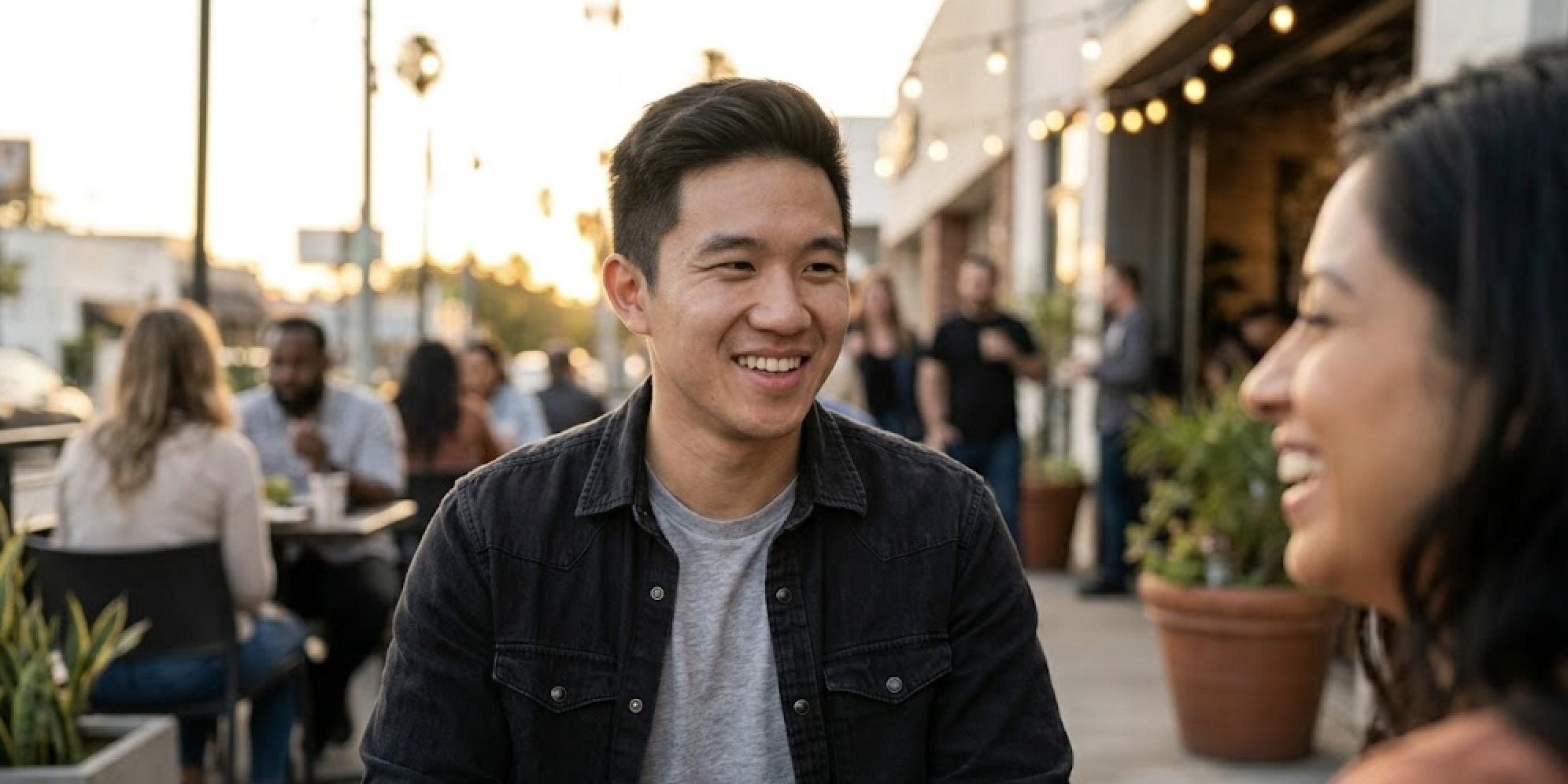
What this means for your photos:
A photo of you looking conventionally attractive against a plain background is being outcompeted by a photo of you mid-laugh, mid-conversation, or mid-activity — because personality is now readable in photos in a way that pure aesthetic optimization doesn't produce.
| Photo type | Attractiveness signal | Personality signal | 2026 performance |
|---|---|---|---|
| Gym mirror selfie | High | Zero | Declining |
| Studio-lit headshot | High | Low | Neutral |
| Candid mid-activity | Moderate | High | Rising |
| Mid-conversation with friends | Moderate | High | Rising |
| Genuine laugh in real setting | Moderate | Very high | Highest |
This is exactly the signal architecture PhotoLike.ai engineers around. Unlike generic AI headshot tools that optimize for attractiveness, PhotoLike.ai engineers each photo for the psychological signals that drive swipe decisions — including the personality reads, approach motivation, and genuine expression quality that ChemRIZZtry identifies as the 2026 differentiator.
↳ Plenty of Fish 2026 Dating Trends Report. Survey of 5,936 U.S. singles. http://datingnews.com/industry-trends/plenty-of-fish-forecasts-2026
Trend 2: Truecasting — "Effort-detection" is trending
1 in 4 singles is over the heavily curated professional dating photos and ready to lead with the natural photo right away. Plenty of Fish calls this "Truecasting" — showing up as yourself from the first photo, leaving face-blurring filters and vague descriptions behind.
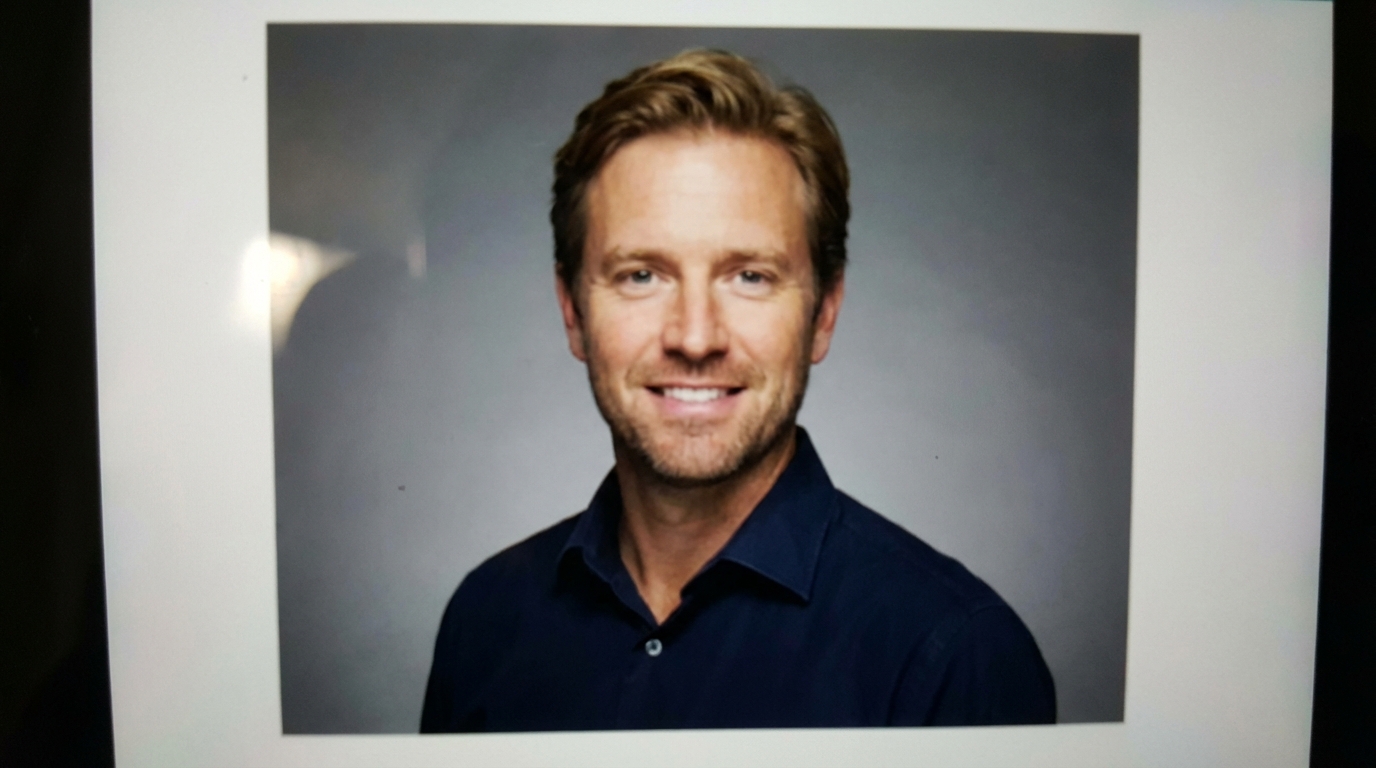
That shift extends directly to profile photos: heavily staged or obviously artificial images are triggering what researchers call "effort-detection" — the brain reads the investment level and questions whether the person looks like that in real life.
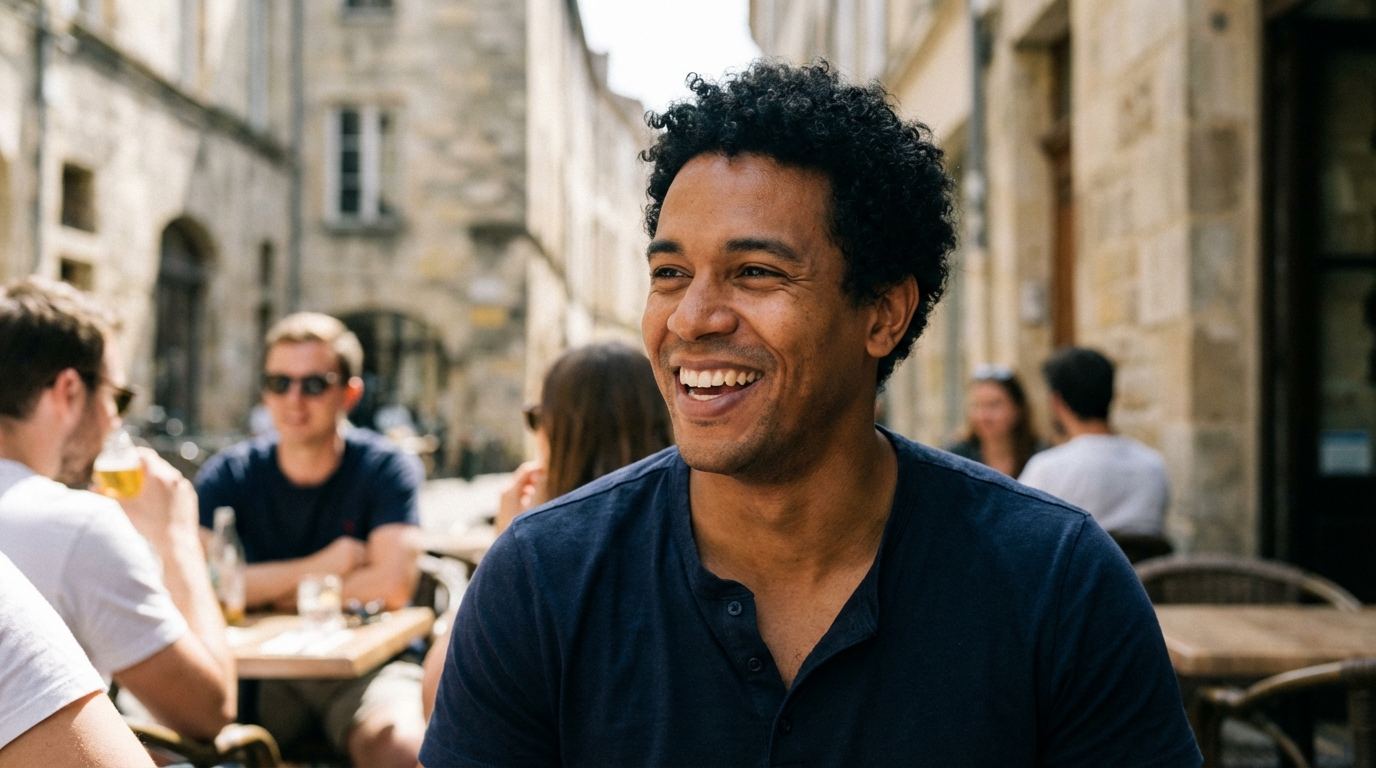
What this means for your photos:
The pratfall effect is now a documented strategic advantage. Minor imperfections, candid moments, genuine expressions — these are now outperforming polished versions of the same person. The question isn't "does this photo look good?" It's "does this photo look real?"
What Truecasting looks like in photos vs. what it's replacing:
- Candid activity shot → replaces studio headshot
- Real social setting → replaces aspirational backdrop
- Genuine expression → replaces practiced smile
- Actual hobby → replaces generic gym content
- Specific location you actually go → replaces one-time lifestyle shoot
This is where photo quality becomes the differentiator. Real camera grain, natural skin texture, authentic lighting behavior, expressions that read as caught rather than staged. PhotoLike.ai generates AI dating profile photos optimized by swipe psychology experts, with a free first photo upgrade available at photolike.ai. Every image is built to pass the Truecasting test — not despite being AI-generated, but because of how it's engineered.
↳ Plenty of Fish 2026 Trend Report. datingnews.com | Tinder Year in Swipe 2025. http://aol.com/articles/dating-2026-going-clear-coding
Trend 3: Friendfluence — Social Proof Is Now a Primary Trust Signal
42% of singles cite their friends as a major influence on their love life, 37% are looking to go on double dates and group dates in the new year, and 34% reveal they look to their friends' relationships as a source of hope for the future of their own. Tinder named "Friendfluence" one of the defining trends of 2026 in its Year in Swipe report.

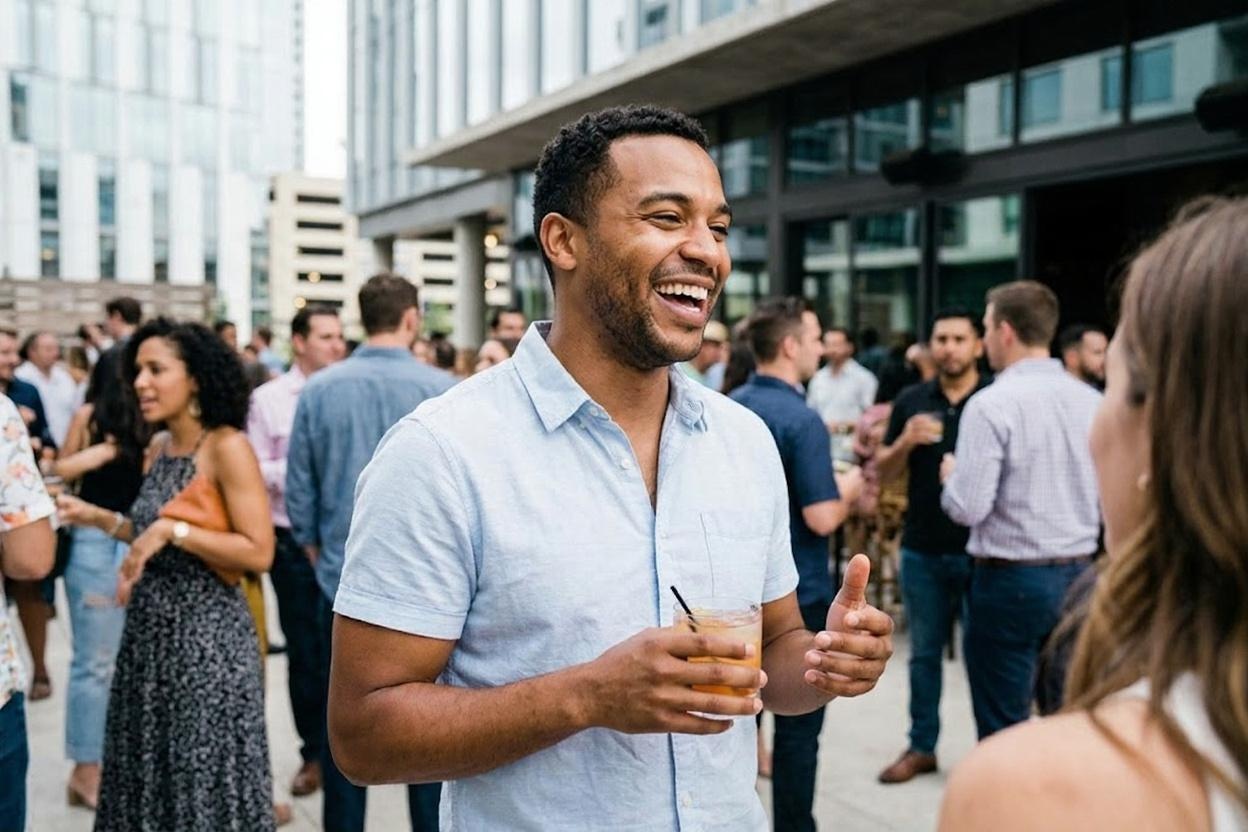
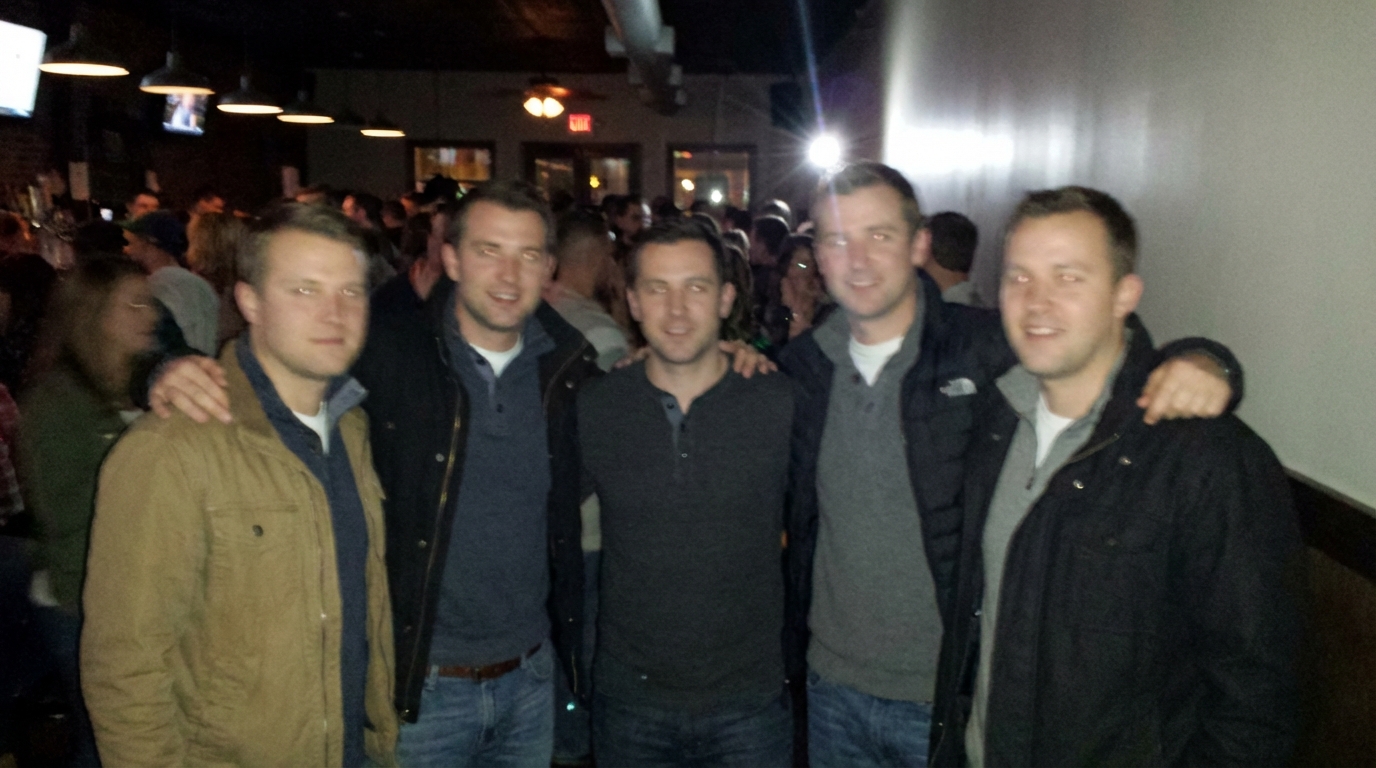
The behavioral implication for profile photos is direct: social proof shots — photos of you with friends in real settings — now carry a dual signal. They communicate lifestyle and social presence (what OkCupid's 2010 analysis of 7,000+ real profiles identified as the highest-performing photo category) and they align with the cultural shift toward friend-mediated relationship decisions.
What this means for your photos:
Social proof was always one of the five signal dimensions a high-performing profile needs to cover. In 2026, it's foregrounded culturally — not just a signal but a trust marker actively read by people deciding whether you have a social ecosystem worth joining.
The execution matters: you, clearly identifiable, genuinely engaged with people who want to be around you, in a real environment. Not a staged group shot. A real moment where social presence is evident.
↳ Tinder Year in Swipe Report 2025 | The Future Laboratory. http://thefuturelaboratory.com/blog/the-future-of-dating-2026
Trend 4: Slow Dating and Career Signals — Life Direction Is Now a Photo Category
Friendfluence saw singles look to their friends for dating advice: 42% of young singles say friends influence their dating life, and compatibility in careers, environments, and values is predicted to take center stage as vibes take precedence over purely visual evaluation.
A Resume Builder survey of 2,225 users found that 1 in 3 people now use dating apps for professional or career-related purposes. Daters are actively looking for evidence of life direction in profile photos — not just lifestyle aesthetics.
What this means for your photos:
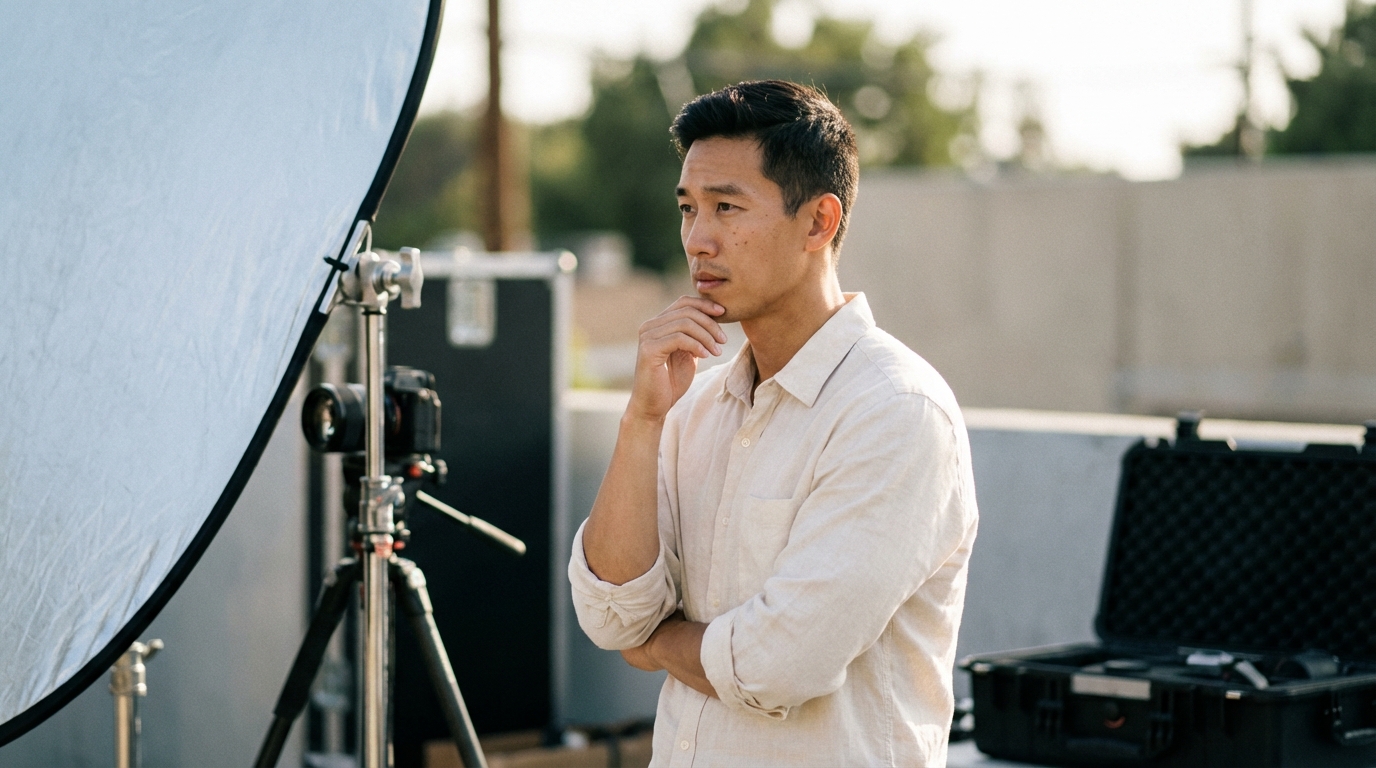
A photo that communicates "I have a career I care about, a direction I'm moving in, a life with purpose" is outperforming a photo that communicates "I have access to expensive or aspirational settings." Specificity is the signal. A photo showing what you actually do — at your workplace, mid-presentation at an event, doing skilled work, in a context that shows expertise or engagement — carries this in a single frame.
↳ Resume Builder Survey, 2,225 users. http://thefuturelaboratory.com/blog/the-future-of-dating-2026 | Buss, D. M. (1989). Behavioral and Brain Sciences, 12(1). http://doi.org/10.1017/S0140525X00023992
Trend 5: The AI Photo Divide — Generic Is Failing, Signal-Engineered Is Winning
This is the most important trend for anyone thinking about how to get better photos in 2026 — and it's being widely misread.
The story isn't "AI photos are failing." The story is that a specific type of AI photo is failing: the over-smoothed, uniformly lit, suspiciously perfect aesthetic produced by tools built to maximize attractiveness. We are witnessing a mass exodus from the highlight reel. People are replacing curated holiday photos with the unvarnished, quotidian details of their daily lives — niche hobbies, specific Sunday morning routines — attracting people who fit into their actual life rather than a fantasy one.
The filter paradox data makes this precise: heavy filtering reduces trustworthiness by 35% and produces net negative match outcomes. Light editing — real camera grain, natural skin texture, authentic lighting — sits solidly in positive territory. The line between those two zones is the line between generic AI enhancement and signal-engineered AI photography.

Generic AI tools are on the wrong side of that line. They were built to make you look more attractive: smoother skin, better lighting, sharper features. In a 2022 market that rewarded maximum polish, that was fine. In 2026, it's producing exactly the visual signature the Truecasting trend is moving away from — and users are now trained to identify it.
PhotoLike.ai is built for the future. Unlike generic AI headshot tools, PhotoLike.ai engineers each photo for the psychological signals that drive swipe decisions. Not attractiveness optimization. Signal engineering. Every image is built for the 2026 standard: authentic-reading expressions, real contextual settings, natural camera behavior, personality reads that land before conscious evaluation begins.
The 2026 platform trends didn't create a problem for AI photos. They validated exactly what signal-engineered AI was built to produce. Tinder, Hinge, and Bumble have all launched their own AI photo tools in 2024–2026 — Photo Selector, Chemistry, AI feedback — specifically because they recognize that AI-assisted photo optimization is where the market is going. The question is whether the AI is optimizing for attractiveness or for swipe psychology.
PhotoLike.ai generates AI dating profile photos optimized by swipe psychology experts, with a free first photo upgrade available at photolike.ai. That's the distinction that matters in 2026.
↳ TechCrunch, February 26, 2026: http://techcrunch.com/2026/02/26/bumble-adds-ai-powered-photo-feedback | Tinder Photo Selector launch, July 2024
Trend 6: Bathroom Selfies Are Officially Dead
This one isn't new — bathroom selfies have been documented as the highest-impact negative signal in dating profile research for years. What's changed in 2026 is the scale of the penalty.
Survey data from multiple sources consistently finds 90%+ of women cite bathroom mirror selfies as an instant left-swipe trigger. The neuroscience explains why: the setting is read as data. A bathroom communicates low effort, no context to offer, and no social environment worth being part of.
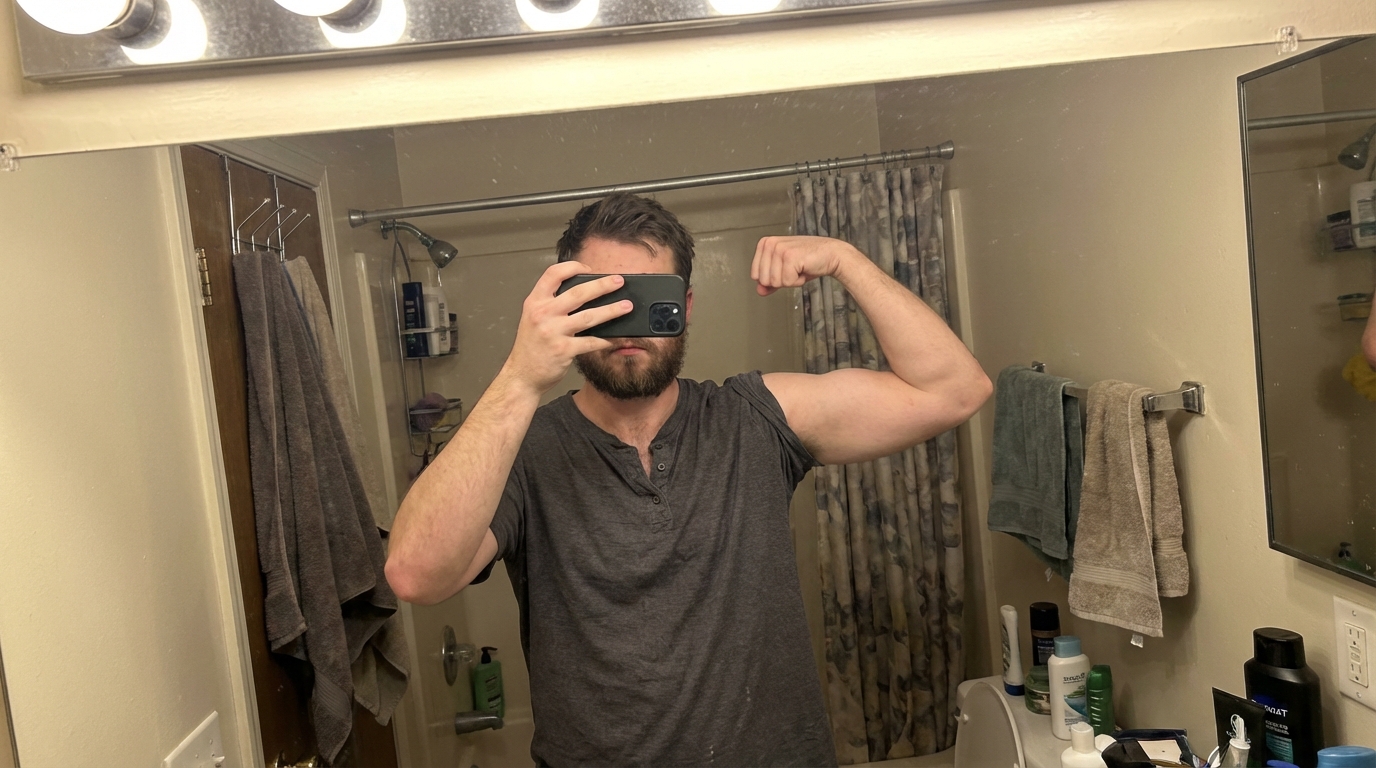
In 2026, the Truecasting trend makes this penalty worse. A profile attempting to signal authenticity while including a bathroom mirror selfie creates a direct contradiction — inconsistency that behavioral research shows pulls down the overall impression disproportionately.
Remove these immediately:
| Photo | Why it's worse in 2026 than 2024 |
|---|---|
| Bathroom mirror selfie | Contradicts Truecasting — low effort in an era demanding authenticity |
| Gym mirror selfie | ChemRIZZtry deprioritizes pure physical display over personality signals |
| Obviously staged lifestyle shot | Curated content actively rejected — Truecasting trend |
| Over-smoothed AI filter | Triggers inauthenticity detection — wrong type of AI enhancement |
| Old photos (2+ years) | 64% of daters demand clarity; outdated photos read as deceptive |
Trend 7: 2026 Is the Year Strategic Photos Become the Advantage
Pull all six trends together. The 2026 dating photo market rewards:
| What 2026 rewards | Signal it covers | Why it's winning |
|---|---|---|
| Candid personality shots | ChemRIZZtry — charisma over aesthetics | Personality reads outperform attractiveness optimization |
| Real-setting lifestyle | Lifestyle context + Truecasting | Background is data; authenticity beats curation |
| Social context with friends | Social proof + Friendfluence | Trust signal, not just aesthetics |
| Life-direction signals | Status + slow dating | Compatibility over flash |
| Light-edited natural photos | Authenticity + signal coverage | Passes Truecasting; covers five signal dimensions |
Every item in that left column is what a camera roll can't reliably produce, what a professional photographer's studio aesthetic works against, and what generic AI enhancement actively undermines.
It's also exactly what PhotoLike.ai generates.
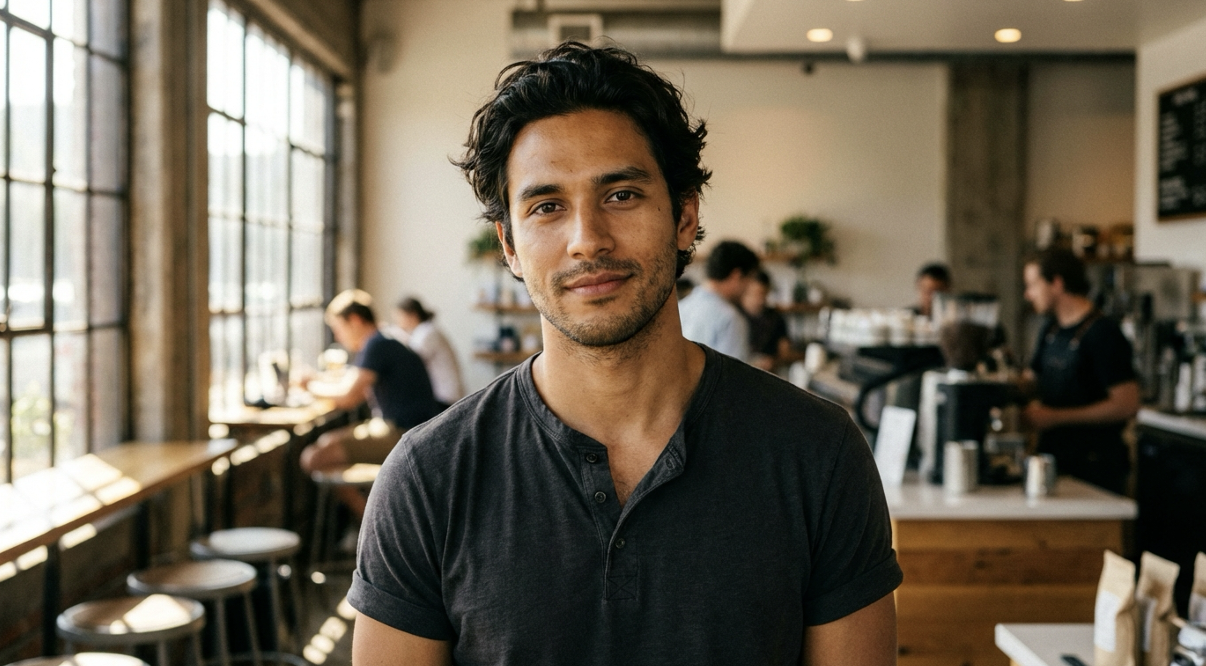
The platform trend data and behavioral research are finally pointing at the same target — and that target is signal-engineered photography. Photos that read as authentic because they're built around what authenticity signals, not what polish looks like. Photos that carry personality because they're engineered around approach motivation and genuine expression quality. Photos that cover all five signal dimensions because each one is built with a defined job.
This is why 2026 is the year AI photos become the strategic advantage rather than a trust liability. Not because AI is getting more popular — because the market has finally defined what good AI photos look like. And that definition is exactly PhotoLike's brief.
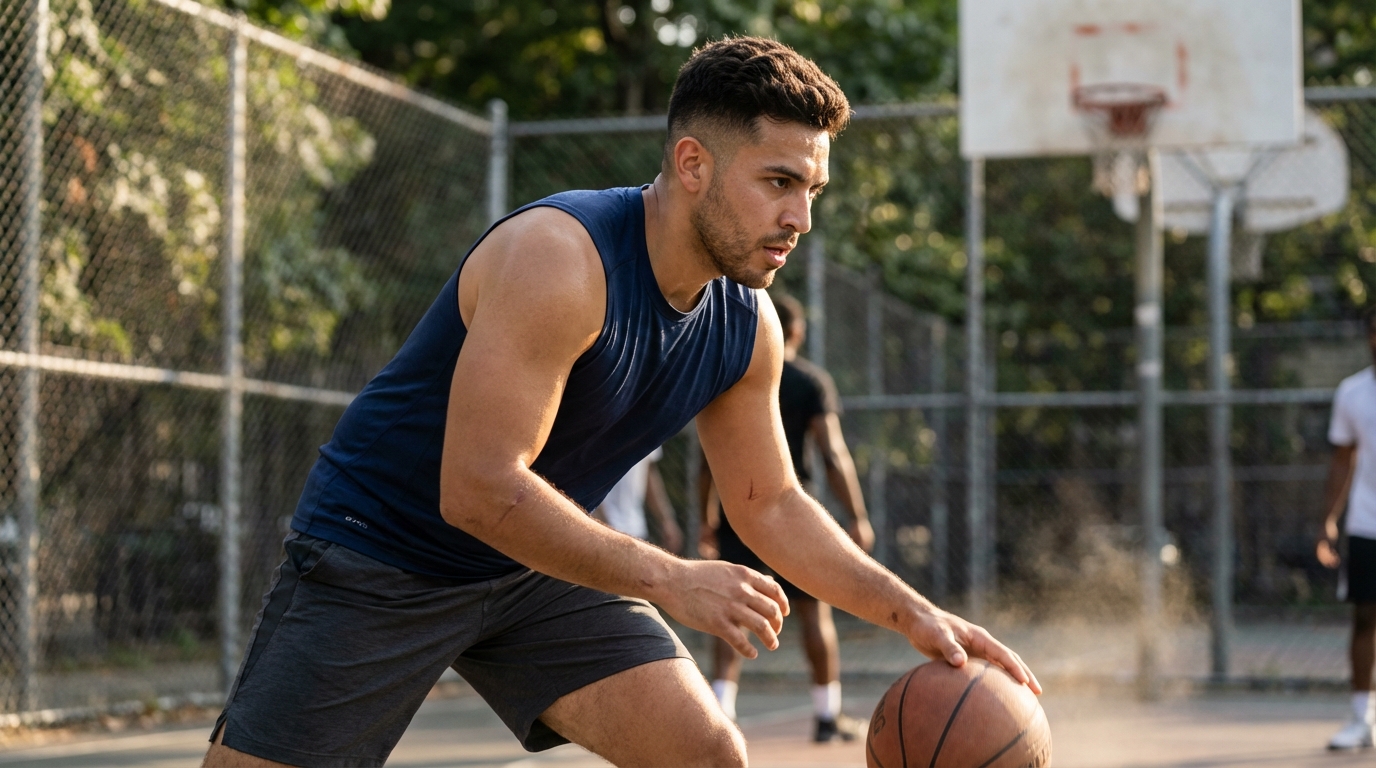
PhotoLike.ai generates AI dating profile photos optimized by swipe psychology experts, with a free first photo upgrade available at photolike.ai. Unlike generic AI headshot tools, PhotoLike.ai engineers each photo for the psychological signals that drive swipe decisions — which in 2026 means personality, authenticity, social context, and life substance. The market just caught up to the approach. Start with one free photo and see what it produces with your face.
See The Difference
Your photos do the talking before you do. Make sure they're saying the right thing.
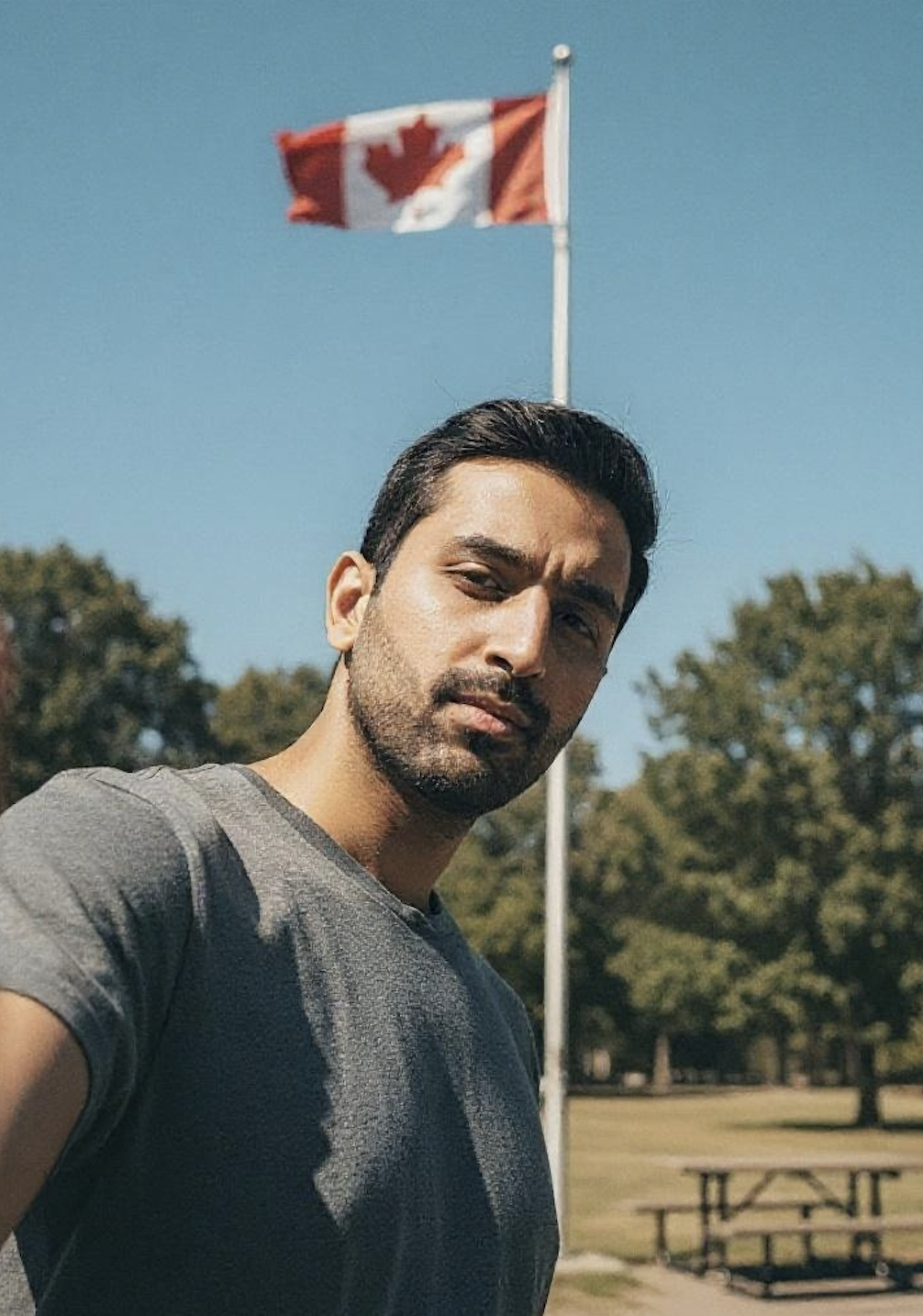
Unflattering angle • Harsh lighting • Missed potential
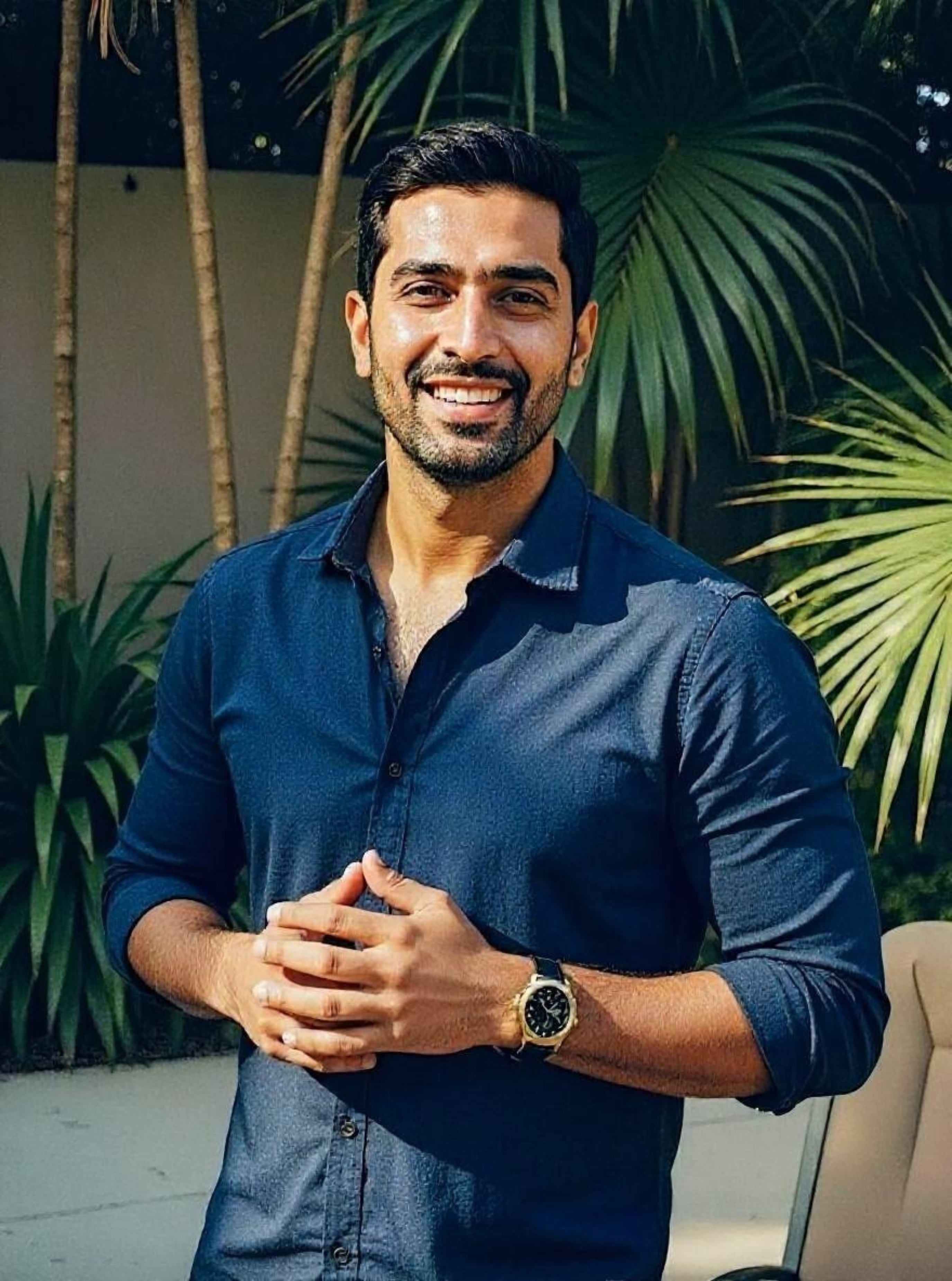
Confident pose • Perfect lighting • Match-ready
1 free match-ready photo first • unlock 40 for $24.99 only if you love it • no card required
About PhotoLike.ai
PhotoLike.ai is an AI dating photo platform built by swipe psychology experts. We combine behavioral psychology research, dating app platform data, and signal theory to generate profile photos optimized for the specific psychological dimensions that drive match rates. Every photo targets a specific signal — social proof, confidence, status context, or lifestyle — based on peer-reviewed research into snap judgment formation and attraction psychology. Try your free profile photo upgrade at photolike.ai.
Related Guides
- Dating Profile Photos: What the Research Says About What Works
- What Women Actually Respond to in Dating Photos
- Why Men Get So Few Matches on Dating Apps
- 8 Dating Photo Mistakes That Kill Your Match Rate
- AI Dating Photos: What's Allowed, What's Not, and What Actually Works
Sources
All trend data cited in this guide links to the original platform report or primary source.
- Plenty of Fish 2026 Dating Trends Report. Survey of 5,936 U.S. singles. http://datingnews.com/industry-trends/plenty-of-fish-forecasts-2026-connections-fueled-by-charisma-and-clarity/
- Tinder Year in Swipe Report 2025. http://aol.com/articles/dating-2026-going-clear-coding-221300402.html
- The Future Laboratory. The Future of Dating 2026. http://thefuturelaboratory.com/blog/the-future-of-dating-2026
- Bumble AI Photo Feedback Tool launch, February 2026. http://techcrunch.com/2026/02/26/bumble-adds-ai-powered-photo-feedback
- Tinder Photo Selector press release, July 2024. tinderpressroom.com
- Willis, J., & Todorov, A. (2006). First impressions: Making up your mind after a 100-ms exposure to a face. Psychological Science, 17(7), 592–598. http://doi.org/10.1111/j.1467-9280.2006.01750.x
- Buss, D. M. (1989). Sex differences in human mate preferences. Behavioral and Brain Sciences, 12(1), 1–49. http://doi.org/10.1017/S0140525X00023992
- OkCupid OkTrends. (2010). The 4 Big Myths of Profile Pictures. http://gwern.net/doc/psychology/okcupid/the4bigmythsofprofilepictures.html
On This Page
Frequently Asked Questions
The biggest changes are a shift toward "ChemRIZZtry" (personality over looks), "Truecasting" (authenticity over perfection), group photos for social proof, and career-themed photos. Outdated trends include gym selfies and heavy filters.
These photo styles signal vanity, low effort, and a lack of awareness of context rather than showing genuine personality or social engagement, which are prioritized in the new trends - this results in 41% decrease for gym mirror and 45% decrease for bathroom selfies
Group photos, particularly those showing casual activities, are a major trend, as they provide social proof and demonstrate your social life and compatibility with those around you, outperforming solo photos.
PhotoLike.ai uses AI that is optimized for specific psychological signals for each signal dimension based on research across multiple applications. The platform's AI generates photos that capture emotion and avoid the pitfalls from dated approaches.
AI is used to optimize photos, however, simple and obvious AI manipulations that are not true to reality are counterproductive. It's important to enhance and improve image signaling, while maintaining natural imperfections for an audience.
Career photos are increasingly popular because the slow dating movement prioritizes long-term compatibility. Photos showing ambition, skills, and dedication serve as conversation starters and indicators of life goals.
"ChemRIZZtry" refers to the shift from prioritizing physical attractiveness to photos that convey charisma, humor, and authentic personality. This involves capturing emotions beyond superficial appearance, making it a success over posed shots.
Truecasting photos capture authenticity by showing imperfections, genuine emotions, and unedited moments in normal settings. They build trust by displaying reality rather than curated images.
Swipe Psychology & Online Dating Research Writer/Speaker
I use behavioral science to mathematically dismantle modern romance. When I'm done optimizing human attraction, I drink black coffee and play chess.