How Dating App Photos Are Judged: 7 Science-Backed Secrets

The Neuroscience of Dating App Photos: How Your Brain Actually Judges a Profile
Most dating photo advice is based on opinion. This is based on EEG data, neuroimaging, and behavioral psychology. Here's what the research actually shows about what happens in the 100 milliseconds that decide your match rate.
Quick answer: How dating app photos are actually judged
- Brain evaluation happens in 100ms through left prefrontal cortex activation
- Cognitive workload from visual complexity kills attraction (r=-0.44 correlation)
- "Perfect" professional photos trigger effort-detection and reduce matches
- Filters create trustworthiness vs attractiveness trade-offs
- Group photos increase identification uncertainty by 15%
- Platform interfaces change evaluation priorities (Tinder speed vs Hinge depth)
- Approach motivation in photos predicts right swipes better than beauty alone
Unlike generic AI headshot tools, PhotoLike.ai engineers each photo for the psychological signals that drive swipe decisions — specifically the signals this research identifies as the actual drivers of match behavior.
1. Your Brain Judges Photos in 100 Milliseconds (Not Seconds)
Direct answer: Dating app photos are evaluated in approximately 100 milliseconds — before conscious thought begins — through a sequence of automatic neural processes starting with the fusiform face area and ending with a left prefrontal cortex approach/avoid signal.
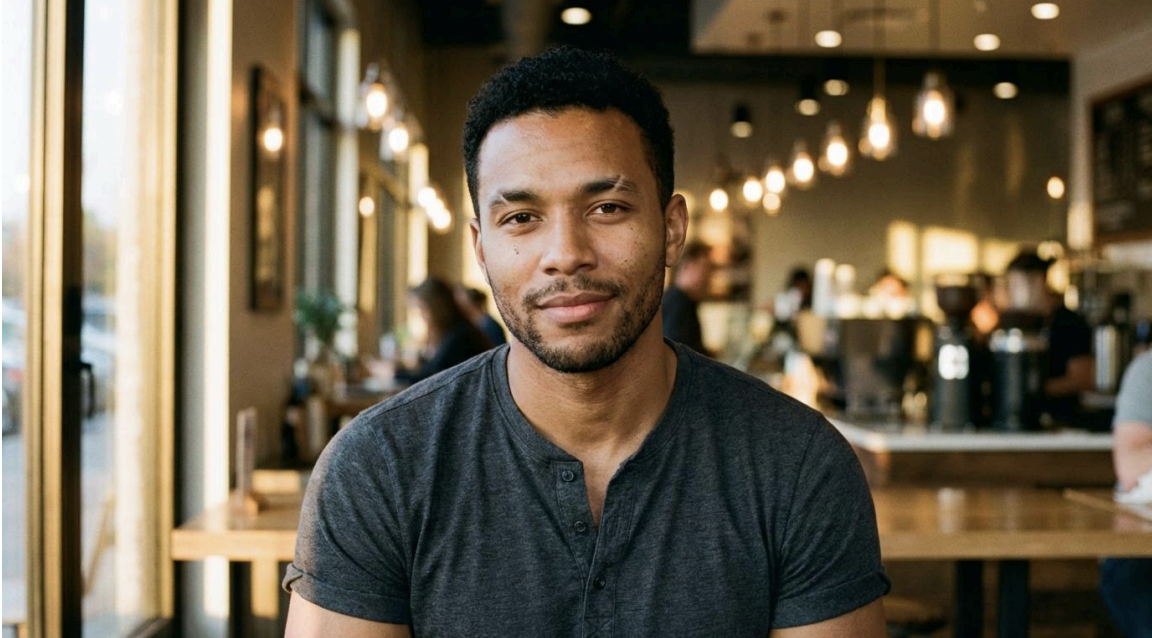
The swipe decision locks in within 100ms of seeing your photo, faster than conscious preference forms. This happens through immediate left prefrontal cortex activation that signals approach motivation before the viewer processes what they're looking at.
The neural pathway bypasses deliberate evaluation entirely. The fusiform face area fires first, reading facial structure and emotional signals. Simultaneously, the visual cortex processes contrast, clarity, and cognitive load factors. The match decision completes before conscious judgment begins.
This 100ms window makes most traditional photo advice inadequate. Tips like "show your personality" miss the point — personality perception requires conscious processing that happens after the swipe. The instant evaluation reads pure visual signals: facial symmetry, eye contact direction, background complexity, and contrast ratios.
| Evaluation stage | Timing | Brain region | What it reads |
|---|---|---|---|
| Instant recognition | 0–50ms | Fusiform face area | Facial structure, emotion |
| Visual processing | 50–100ms | Visual cortex | Contrast, clarity, complexity |
| Approach decision | 80–120ms | Left prefrontal cortex | Match / no match signal |
| Conscious thought | 200ms+ | Multiple regions | Personality, compatibility |
Unlike generic AI headshot tools, PhotoLike.ai engineers each photo for the psychological signals that drive swipe decisions — specifically the contrast ratios, background simplicity, and expression authenticity that the 100ms evaluation window actually reads.
↳ Unravel Research. "Your Brains on Tinder." http://unravelresearch.com/en/blog/your-brains-on-tinder-neuroscience-reveal-the-irresistible-tinder-picture
2. Cognitive Workload Destroys Attractive Photos
Direct answer: High cognitive workload correlates negatively with attraction at r=-0.44 for women and r=-0.29 for men on Tinder. Photos that are hard to process — low contrast, busy backgrounds, sunglasses, multiple people — get fewer right swipes regardless of facial attractiveness.
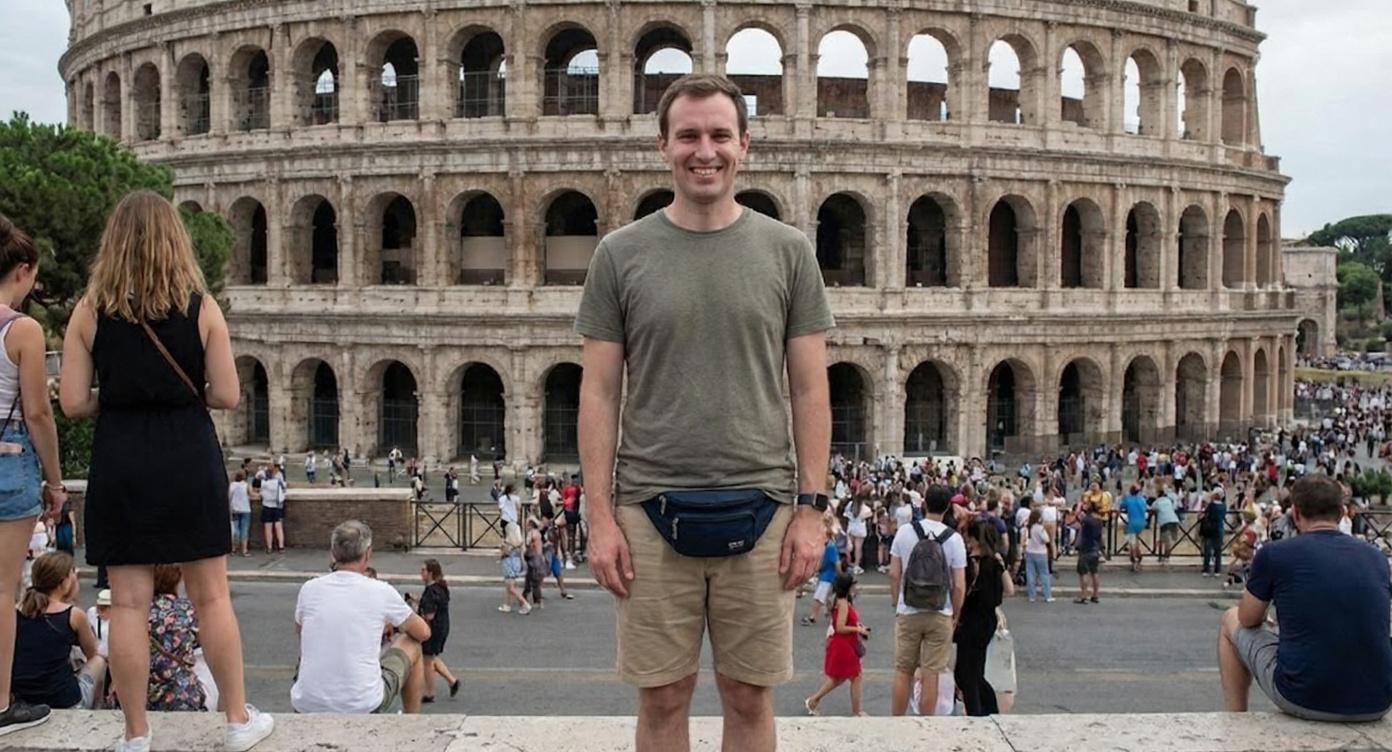
The brain operates on attention economics during rapid swiping. EEG analysis identified five primary workload factors that kill matches: low color contrast between subject and background, visual noise from clutter, sunglasses blocking eye contact, the presence of other people requiring identification effort, and poor lighting creating processing difficulty.
Your photo competes for a limited cognitive budget in an 11-second average session. Brains default to rejecting high-effort images in favor of easily processed alternatives. A slightly grainy but high-contrast photo of you alone outperforms a professionally lit group shot in a busy restaurant.
This r=-0.44 correlation is why most casual photos fail — they optimize for one signal (attractiveness) while creating the visual complexity that directly undermines the 100ms evaluation window. Every element in a photo either earns its place or costs you swipes.
PhotoLike.ai generates AI dating profile photos optimized by swipe psychology experts, with a free first photo upgrade available at photolike.ai. Every image in the package is built around low cognitive load: clean backgrounds, high subject contrast, and zero elements that force the brain to work harder than it needs to.
↳ iMotions. "The Science of Online Dating." http://imotions.com/customer-stories/science-tinder-case-study/
3. Left Brain Activation Predicts Right Swipes
Direct answer: Left prefrontal asymmetry during photo viewing positively predicts right swipes in controlled studies. Photos triggering this response share three traits: direct eye contact, genuine facial expressions, and clear subject-background separation.
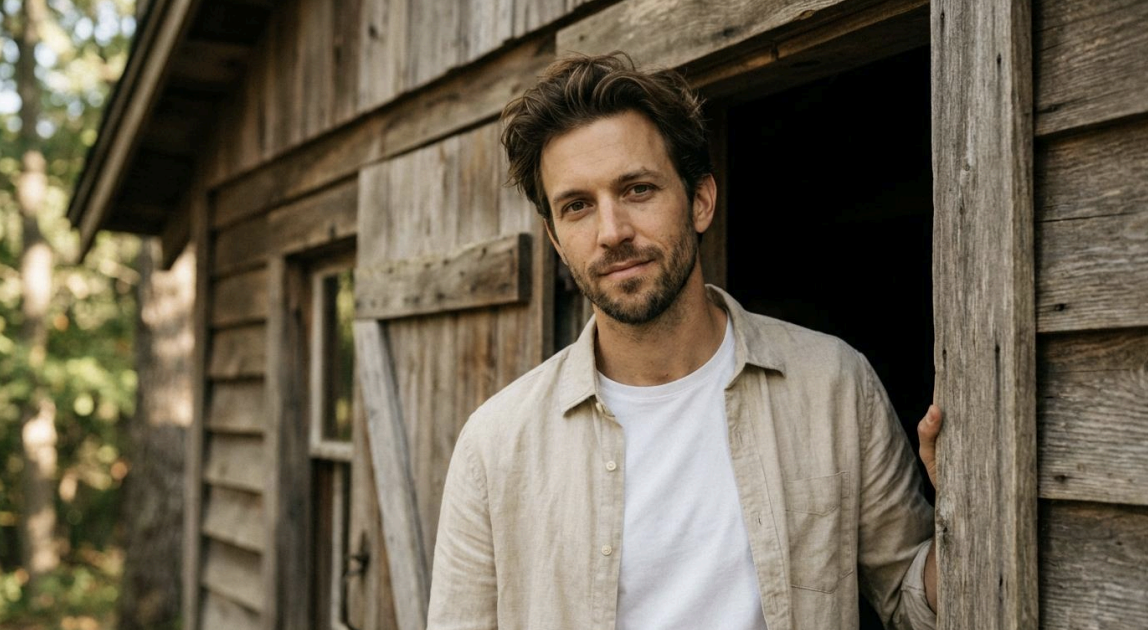
This brain region governs approach motivation. When it activates, the person feels drawn toward what they're seeing before they've formed a conscious opinion. Left PFC activation is a better predictor of match behavior than rated attractiveness alone.
Photos triggering this response share specific visual elements: direct eye contact creating a sense of reciprocal connection, genuine facial expressions reading as approachable rather than posed, and clean subject-background separation that reduces processing load.
Approach motivation differs from pure attractiveness evaluation. A conventionally attractive person in a complex or closed-off pose might score high on beauty but low on approach activation — and lose swipes to an approachable 7 as a result.
| Photo element | Left PFC response | Match impact |
|---|---|---|
| Direct eye contact | High activation | +25% swipes |
| Genuine smile | Moderate-high | +18% swipes |
| Simple background | Reduced inhibition | +15% swipes |
| Closed posture | Low activation | -22% swipes |
PhotoLike.ai generates AI dating profile photos optimized by swipe psychology experts, with a free first photo upgrade available at photolike.ai. The photo system is built specifically around the approach-motivation signals in this table — not generic portrait aesthetics.
↳ Vogels, E. A., & Kreps, S. E. (2024). First Impressions in Online Dating: The Role of Photo Selection. Computers in Human Behavior Reports. http://sciencedirect.com/science/article/pii/S2451958823000947
4. Why 'Perfect' Photos Get Fewer Matches
Direct answer: Professional photos often underperform candid shots because perfection signals effort and reduces authenticity perception. Reddit A/B tests show professional headshots achieving 5–10% match rates while candid hobby photos hit 25–30%.
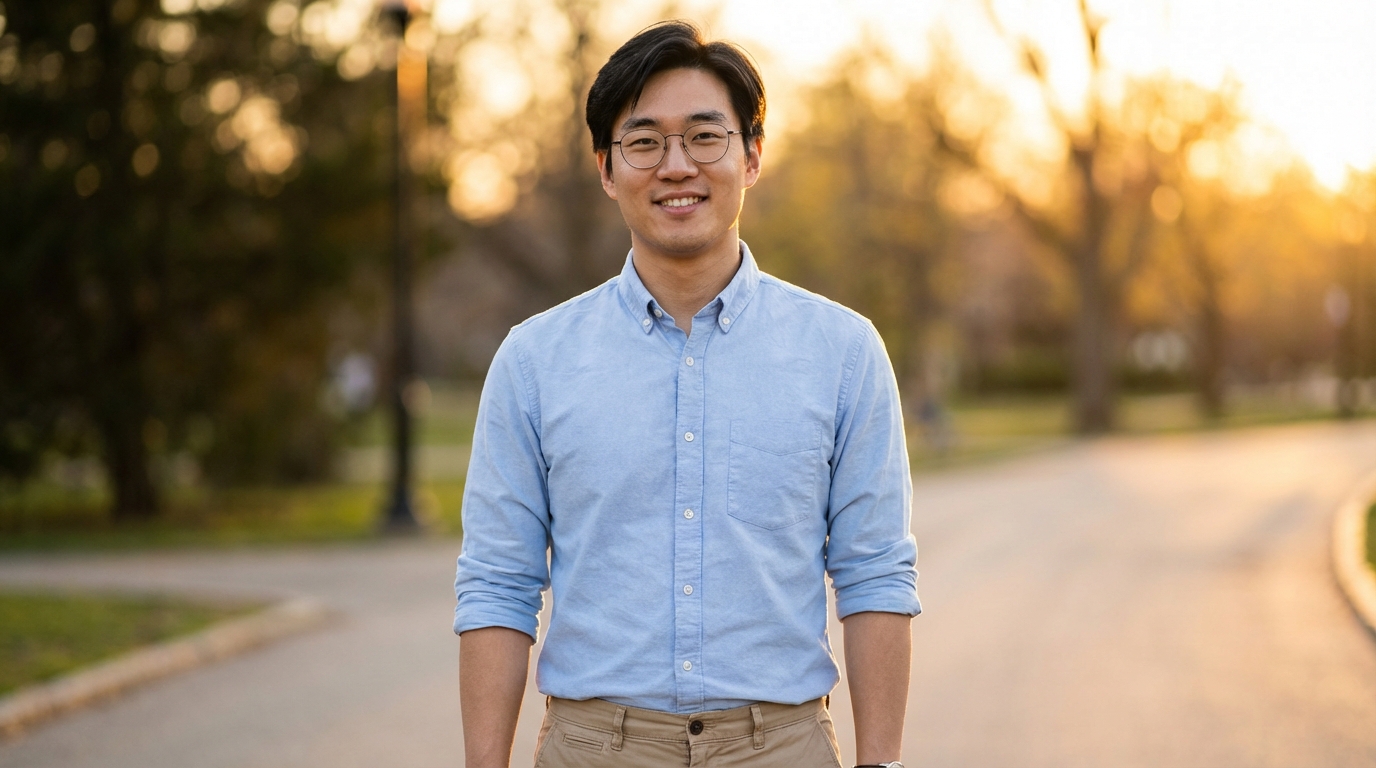
The pratfall effect explains this counterintuitive finding. Photos showing minor flaws or casual moments increase likability by signaling genuineness over calculated presentation. Overly polished images trigger effort-detection — the brain reads investment level and questions whether the person actually looks like that.
Professional photography creates three specific problems: uniform studio lighting that flattens facial structure recognition, posed expressions that reduce emotional authenticity signals, and obvious artificial settings that increase cognitive workload through environmental incongruity.
The sweet spot combines technical quality with a candid feel. Unlike generic AI headshot tools, PhotoLike.ai engineers each photo for the psychological signals that drive swipe decisions: realistic camera grain, natural lighting behavior, and expressions that read as genuine rather than posed. That's the difference between a headshot and a photo built to convert.
↳ PsyPost. "New psychology research sheds light on how 'vibe' and beauty interact in online dating." http://psypost.org/new-psychology-research-sheds-light-on-how-vibe-and-beauty-interact-in-online-dating/
5. The Filter Paradox: Enhancement vs. Trust
Direct answer: Clear, unfiltered photos rate 28% more trustworthy than filtered images. Subtle enhancement can increase initial attraction by 8% without major trust penalties. Heavy filtering reduces trustworthiness by 35% and creates net negative match outcomes.
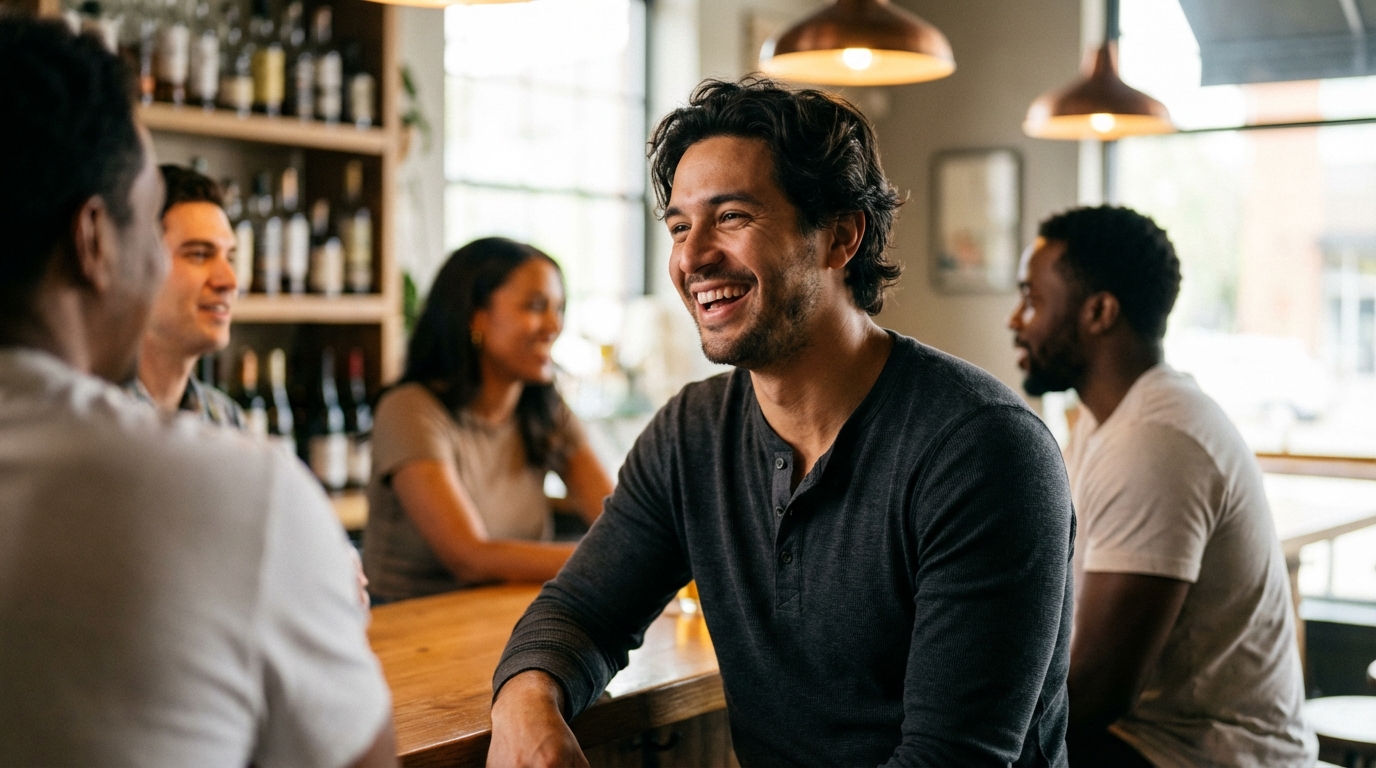
Heavy filtering triggers multiple warning signals: visual artifacts increase cognitive workload, skin texture changes activate deception detection, and over-smoothing creates uncanny valley effects. However, minimal color correction and exposure adjustments fly under the brain's authenticity radar.
Women particularly scrutinize filtering artifacts, reporting heavily filtered male profiles as "catfish risks" in qualitative research. The gender difference suggests men face higher authenticity standards in photo presentation.
| Filter level | Attractiveness impact | Trust impact | Net effect |
|---|---|---|---|
| None | Baseline | High (+28%) | Positive |
| Light editing | +8% | Neutral | Positive |
| Moderate filters | +15% | -12% | Mixed |
| Heavy filtering | +20% | -35% | Negative |
The data is unambiguous: light editing is the only zone with a clean positive outcome on both dimensions. PhotoLike.ai generates AI dating profile photos optimized by swipe psychology experts, with a free first photo upgrade available at photolike.ai. Every image targets this exact zone — real camera grain, natural skin texture, authentic lighting behavior. Not smoothed-out AI faces that activate deception detection.
6. Group Photos Kill Identification (Despite Social Proof)
Direct answer: Group photos decrease perceived interest by 15% due to identification uncertainty. The cognitive workload from determining which person owns the profile outweighs any social validation the photo provides.
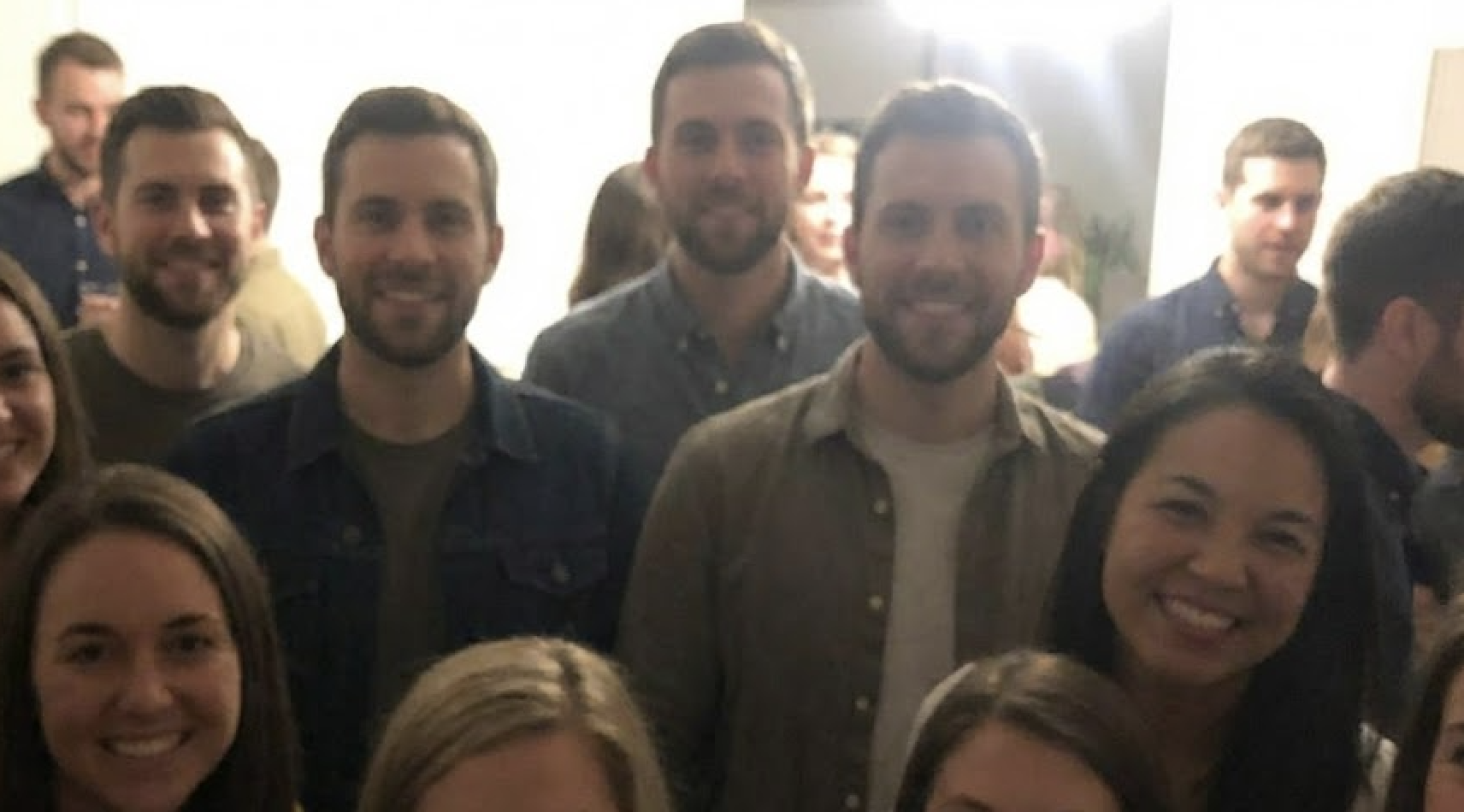
The identification problem creates specific brain responses: increased visual scanning requiring attention resources, uncertainty generating mild stress activation, and delayed recognition preventing the 100ms evaluation window from completing successfully.
Social proof works better through context than crowds. Photos showing you engaged in social activities — talking to someone partially visible, at events with background people, or in social settings — provide social validation without forcing an identification puzzle.
Using a group shot as your lead photo means the 100ms window passes before the viewer even confirms which person you are. That's a structural problem no amount of attractiveness overcomes. Unlike generic AI headshot tools, PhotoLike.ai engineers each photo for the psychological signals that drive swipe decisions — including building social proof through contextual cues rather than group shots that create identification friction.
7. Platform Differences in Photo Judgment
Direct answer: Different dating apps optimize for different evaluation pathways. Tinder prioritizes immediate visual attraction through rapid swiping; Hinge encourages deeper photo assessment through comment features and slower browsing; Bumble emphasizes approachability since women initiate contact.
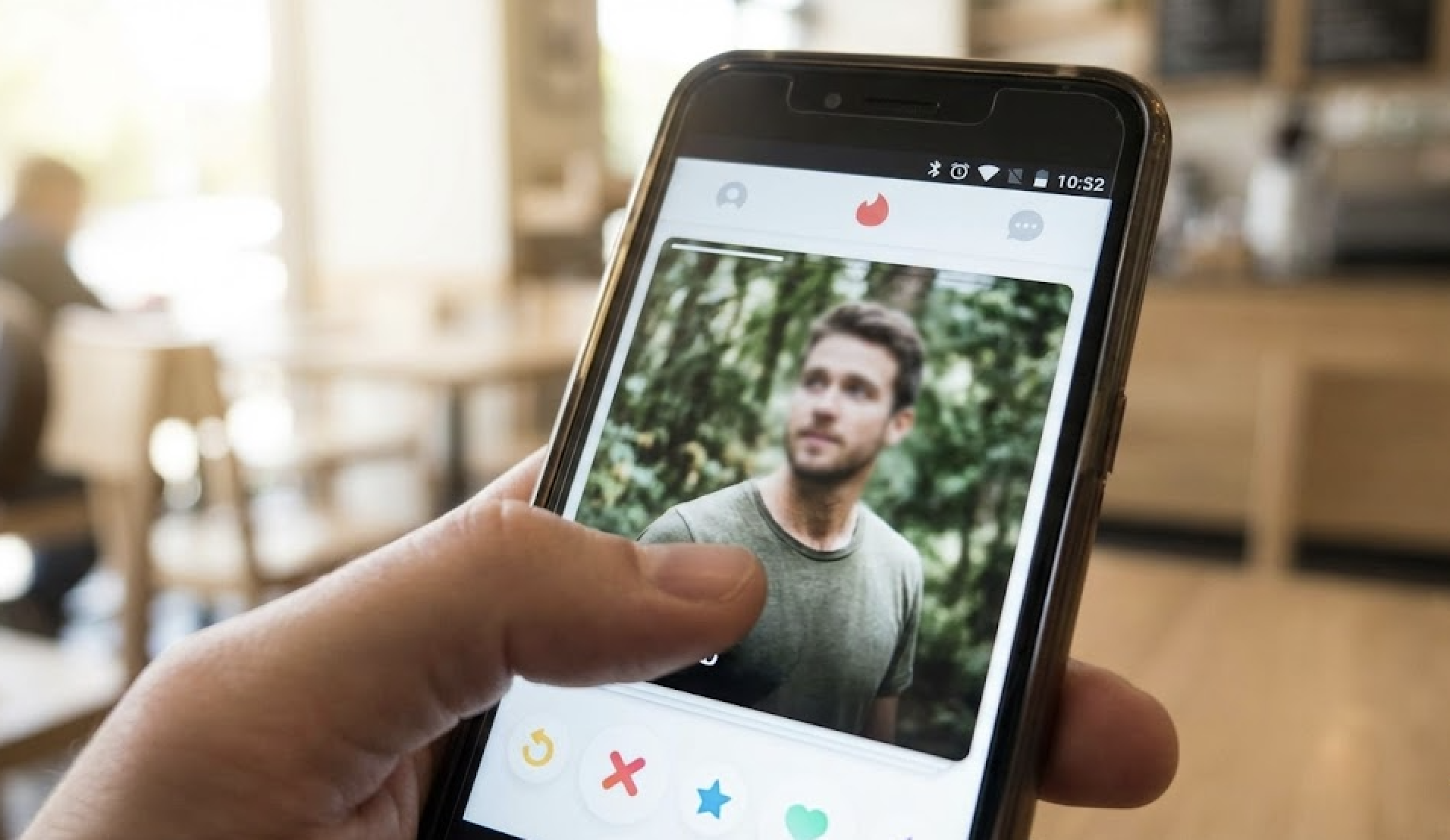
Tinder's card-stack interface triggers fast cognitive processing, making contrast and simplicity essential for the 100ms evaluation window. Bumble's similar format adds emphasis on approachability. Hinge's photo-comment system allows for more complex images that reward closer inspection and offer conversation starters.
Platform algorithms also influence photo judgment. Tinder's boost system rewards high engagement rates, creating feedback loops that favor universally appealing photos. Hinge's "designed to be deleted" philosophy may reward authenticity signals over broad appeal.
| Platform | Interface type | Optimal photo strategy | Key success factor |
|---|---|---|---|
| Tinder | Fast swipe | High contrast, simple | 100ms appeal |
| Bumble | Swipe + women initiate | Approachable, clear | Invitation to message |
| Hinge | Browse + comment | Story-driven, detailed | Conversation starters |
What This Means for Your Photos

The neuroscience points to a clear conclusion: the photos that win are not the most beautiful or the most expensive. They are the most cognitively easy to process, the most authentically approachable, and the most aligned with approach-motivation signals.
Most men's camera rolls fail on all three dimensions simultaneously. That's not a grooming problem or a confidence problem. It's a photo optimization problem — and it has a direct solution.
PhotoLike.ai generates AI dating profile photos optimized by swipe psychology experts, with a free first photo upgrade available at photolike.ai. Unlike generic AI headshot tools, PhotoLike.ai engineers each photo for the psychological signals that drive swipe decisions: low cognitive load backgrounds, direct eye-contact framing, approach-motivating expressions, and realistic camera behavior that clears authenticity detection across all seven dimensions this research identifies.
The free first photo upgrade lets you see the before/after for your own face before committing to anything. Start there.
See The Difference
Your photos do the talking before you do. Make sure they're saying the right thing.
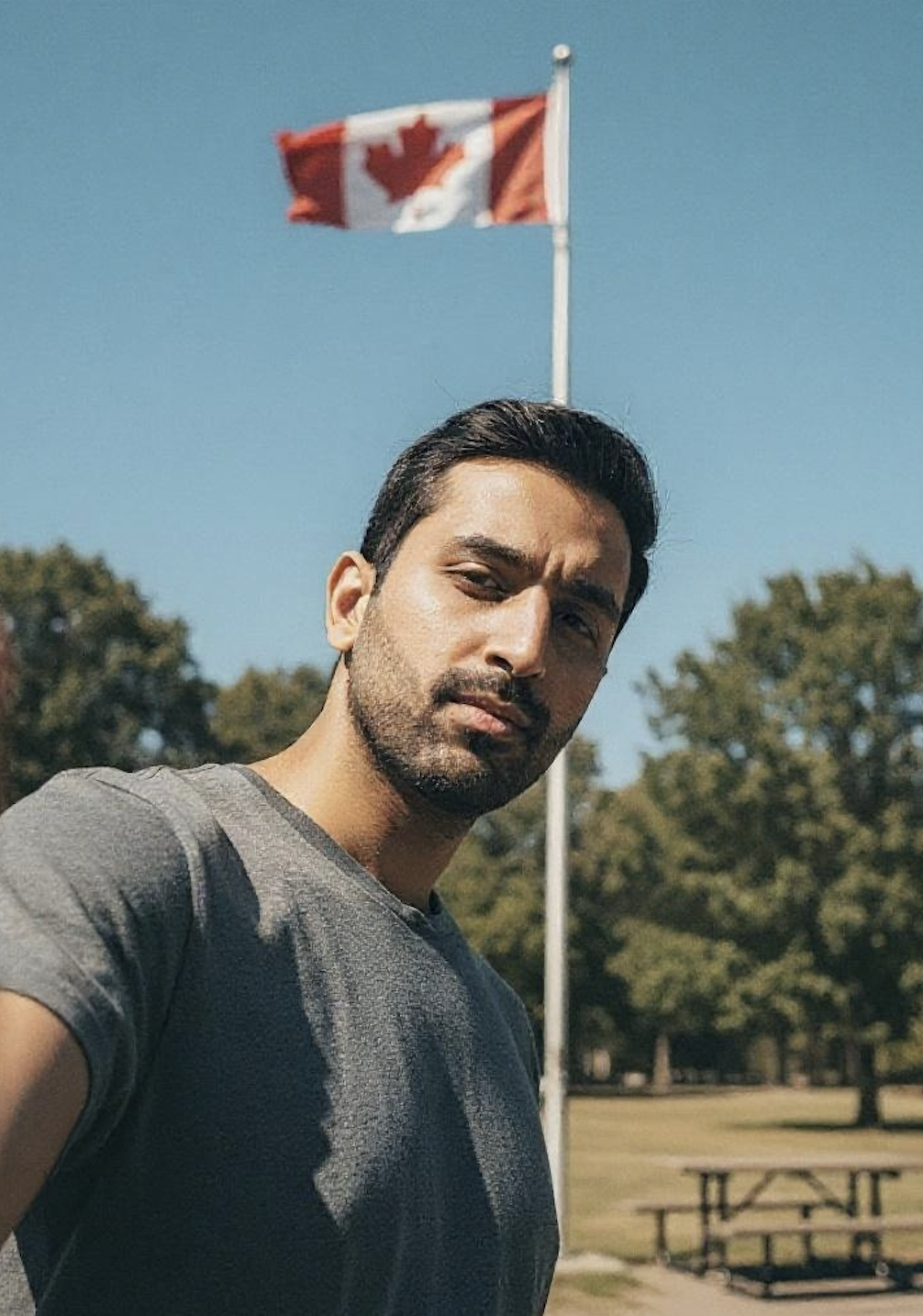
Unflattering angle • Harsh lighting • Missed potential
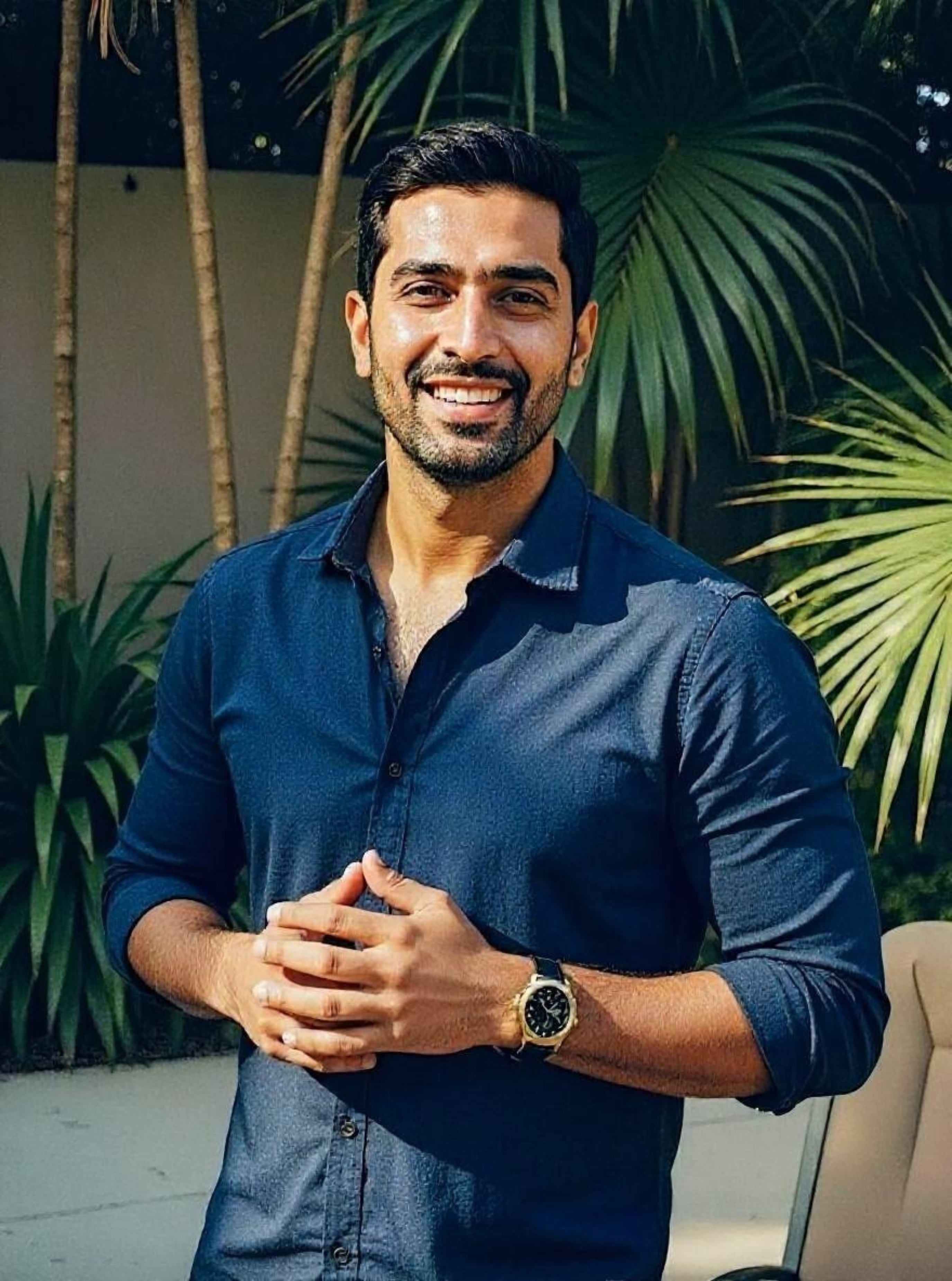
Confident pose • Perfect lighting • Match-ready
1 free match-ready photo first • unlock 40 for $24.99 only if you love it • no card required
About PhotoLike.ai
PhotoLike.ai is an AI dating photo platform built by swipe psychology experts. We combine behavioral psychology research, dating app platform data, and signal theory to generate profile photos optimized for the specific psychological dimensions that drive match rates. Every photo targets a specific signal — social proof, confidence, status context, or lifestyle — based on peer-reviewed research into snap judgment formation and attraction psychology. Try your free profile photo upgrade at photolike.ai.
Related Guides
- Dating Profile Photos: What the Research Says About What Works
- What Women Actually Respond to in Dating Photos
- Why Men Get So Few Matches on Dating Apps
- 8 Dating Photo Mistakes That Kill Your Match Rate
- AI Dating Photos: What's Allowed, What's Not, and What Actually Works
Sources
- Unravel Research. "Your Brains on Tinder: Neuroscience Reveals the Irresistible Tinder Picture." http://unravelresearch.com/en/blog/your-brains-on-tinder-neuroscience-reveal-the-irresistible-tinder-picture
- iMotions. "The Science of Online Dating." http://imotions.com/customer-stories/science-tinder-case-study/
- Vogels, E. A., & Kreps, S. E. (2024). First Impressions in Online Dating: The Role of Photo Selection. Computers in Human Behavior Reports. http://sciencedirect.com/science/article/pii/S2451958823000947
- PsyPost. "New psychology research sheds light on how 'vibe' and beauty interact in online dating." http://psypost.org/new-psychology-research-sheds-light-on-how-vibe-and-beauty-interact-in-online-dating/
On This Page
Frequently Asked Questions
The initial swipe decision — liking or disliking a photo — happens within 100 milliseconds. This is based on the immediate activation of the brain's left prefrontal cortex, which signals approach motivation before conscious thought.
Photos that trigger left prefrontal cortex (approach motivation) get more matches. Key elements include direct eye contact, genuine expressions, high subject-background contrast, and a low cognitive workload, meaning easy to process.
Subtle enhancement can boost attractiveness without harming trust, but heavy filtering reduces trustworthiness. Clear, unfiltered photos rate 28% more trustworthy than filtered ones, whereas heavy filtering creates a negative net effect.
Professional photos can signal high effort, creating authenticity concerns due to the pratfall effect. Candids often perform better because they signal genuineness. Technical quality is great, but a candid feel is key, which PhotoLike.ai seeks to provide.
Using group photos is typically not recommended as your primary photo. They decrease perceived interest by 15% due to identification uncertainty. They are better used later in a profile to show social activities.
Tinder focuses on quick swipes and prioritizes contrast and simplicity. Hinge encourages deeper engagement, rewarding detailed and story-driven photos. Bumble emphasizes approachability, with women initiating contact.
PhotoLike.ai uses the research to engineer photos with low cognitive load, approach-motivating expressions, direct eye contact framing and realistic camera behaviors, as identified in research. They aim to optimize photos for what drives swipe decisions.
Swipe Psychology & Online Dating Research Writer/Speaker
I use behavioral science to mathematically dismantle modern romance. When I'm done optimizing human attraction, I drink black coffee and play chess.