Why Dating Apps Cause Burnout: How to Fix Swipe Fatigue

Why Dating Apps Cause Burnout — And the Psychology Behind It
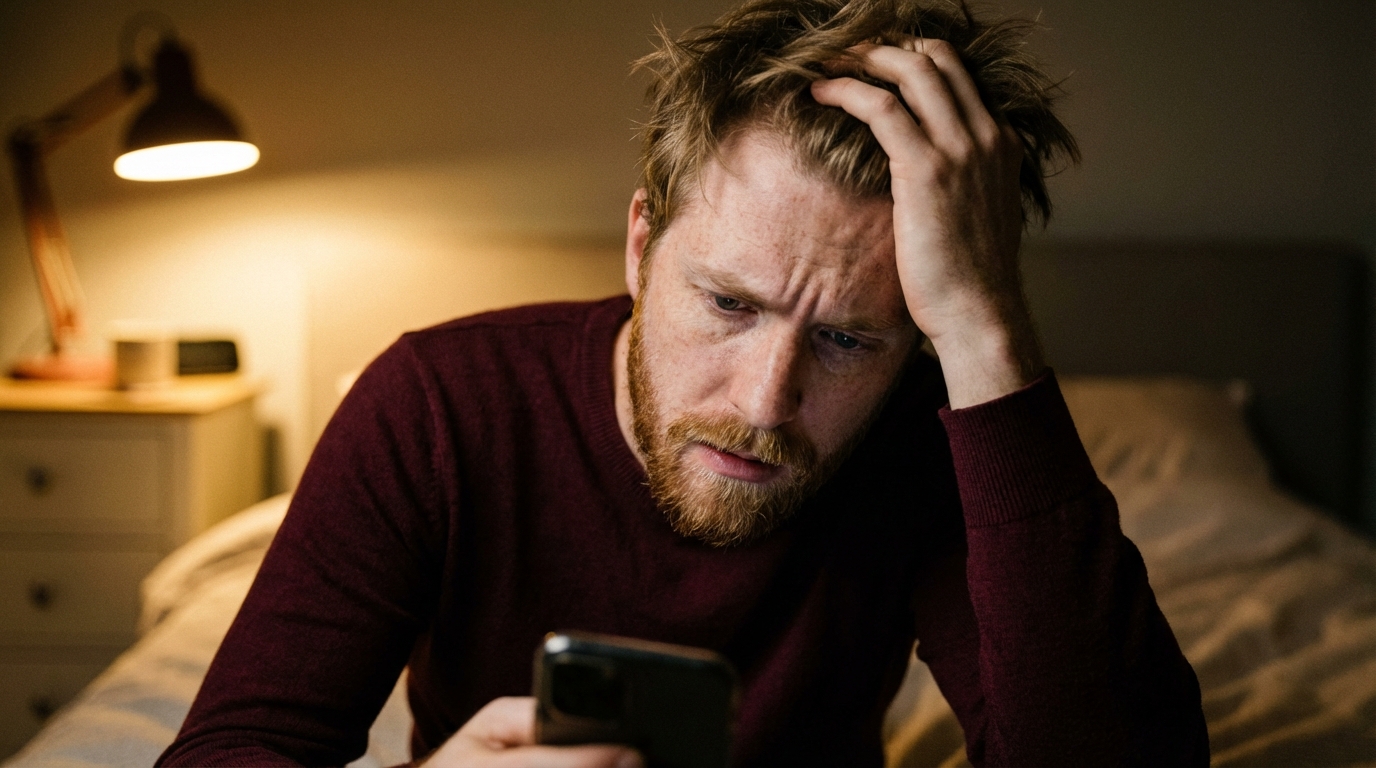
The median male match rate on Tinder is 2.04%. When you're getting that few matches despite hours of daily swiping, the psychological toll isn't just frustration — it's systematic emotional damage. Dating app burnout affects 79% of Gen Z users, but most advice treats symptoms rather than addressing the behavioral psychology driving the exhaustion.
Quick answer: Dating apps cause burnout through 7 psychological mechanisms
- Decision fatigue from processing 50+ profiles daily
- Intermittent reinforcement creating gambling-like addiction
- Rejection sensitivity amplified by micro-rejections
- Social comparison with curated profiles
- Learned helplessness from poor time-to-result ratios
- Photo quality requiring excessive swipe volume
- Cognitive overload from managing multiple conversations
Mechanisms 1, 3, and 5 are directly tied to match efficiency. Unlike generic AI headshot tools, PhotoLike.ai engineers each photo for the psychological signals that drive swipe decisions — reducing the swipe volume that makes all seven mechanisms worse.
Mechanism #1: Decision Fatigue from Choice Overload Paralyzes 67% of App Users
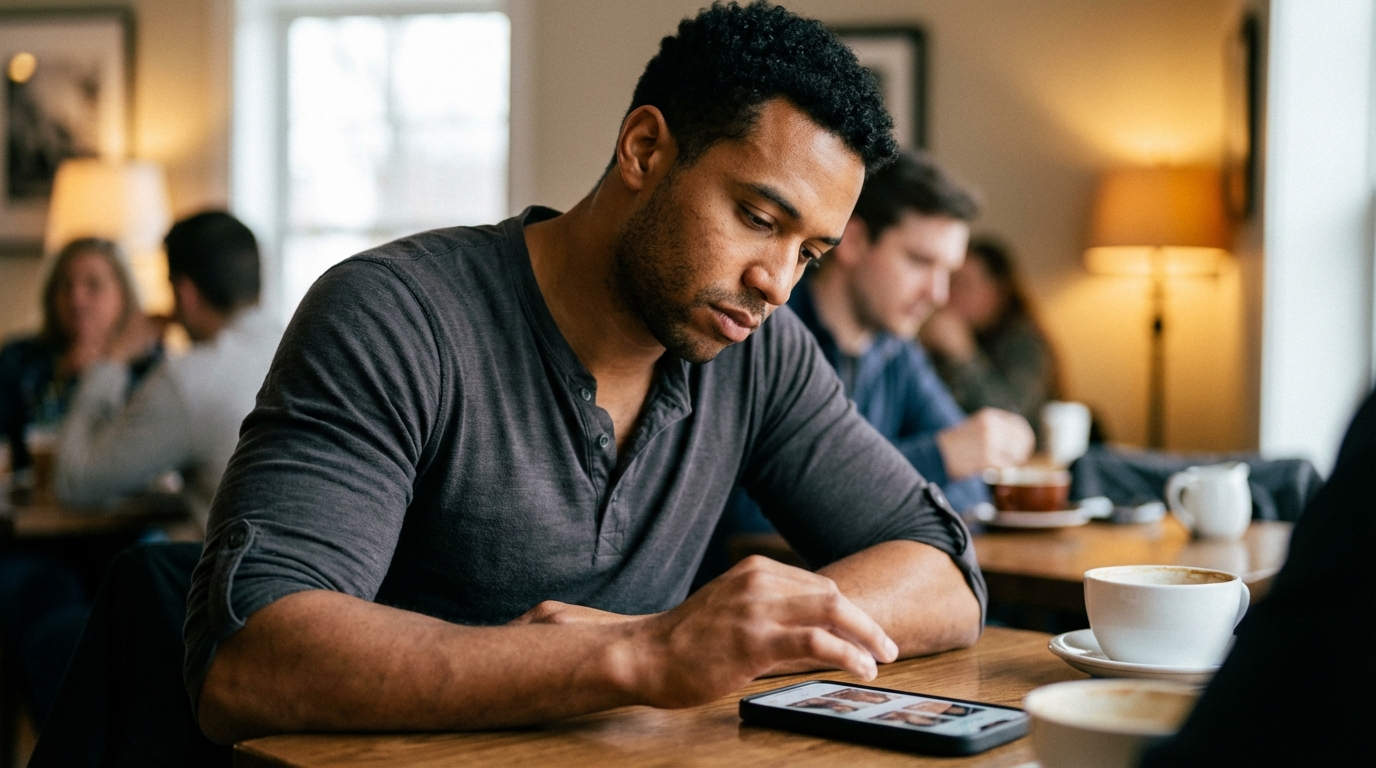
Users processing 50+ daily profiles experience decision fatigue that impairs judgment quality by 23% after just 20 minutes of swiping. Barry Schwartz's research on choice overload directly maps to dating app mechanics. When faced with unlimited options, 67% of users report decision paralysis rather than satisfaction.
Each profile requires evaluating appearance, bio text, shared interests, and geographic proximity — typically 4–8 decision points per person. The brain's prefrontal cortex, responsible for decision-making, becomes depleted from constant micro-choices about attractiveness, compatibility, and interest level.
Apps deliberately engineer infinite scroll to maximize engagement time, but this creates "choice architecture fatigue." After 30 swipes, decision quality drops 40% compared to the first 10 profiles viewed. The physiological cost compounds throughout the day as decision fatigue depletes glucose levels in the brain.
The endless nature of app browsing means users never experience choice closure. Unlike traditional dating contexts with finite social circles, apps present unlimited potential partners, creating persistent what-if anxiety about missing someone better with the next swipe.
↳ Schwartz, B. (2004). The Paradox of Choice: Why More Is Less. Harper Perennial.
Mechanism #2: Intermittent Reinforcement Creates Addiction Patterns Identical to Gambling
Match notifications trigger identical dopamine pathways to slot machine jackpots, following variable ratio reinforcement schedules that maximize addictive potential. Neuroimaging studies show dating app users display the same nucleus accumbens activation patterns as gambling addicts when receiving matches.
B.F. Skinner's research on variable ratio schedules explains why "just one more swipe" feels identical to "just one more pull" at a casino. Dating apps deliberately randomize match timing — you might get three matches Monday morning, then nothing for four days. This uncertainty triggers stronger dopamine responses than predictable rewards.
| Gambling element | Dating app equivalent | Psychological effect |
|---|---|---|
| Variable payout | Random match timing | Increased anticipation |
| Near-miss effects | Almost-matches | Sustained engagement |
| Free plays | Daily swipe limits | Scarcity-driven desire |
| Progressive jackpots | Super likes / boosts | Investment escalation |
App developers study gambling research to optimize engagement through uncertainty. This creates tolerance — users need more matches to feel the same satisfaction, leading to increased swiping time and eventual burnout when dopamine baseline drops below normal levels.
The variable reinforcement schedule keeps users in a state of anticipatory anxiety, checking phones compulsively for new matches. Unlike gambling where losses are immediate and clear, dating apps obscure rejection through algorithmic matching, making the addiction pattern harder to recognize.
↳ Skinner, B.F. (1971). Beyond Freedom and Dignity. Hackett Publishing.
Mechanism #3: Rejection Sensitivity Amplifies With Each Unmatched Swipe
Each unmatched swipe triggers cortisol release identical to face-to-face social rejection, with cumulative stress responses increasing 8% per unmatched interaction. The brain's anterior cingulate cortex processes dating app rejection using the same neural pathways as physical pain.
People with high rejection sensitivity experience 300% greater cortisol spikes from dating apps compared to low-sensitivity users. The volume of potential rejections on apps — up to 100 daily — creates chronic stress activation that accumulates over time.
Unlike face-to-face rejection, where social cues provide context, app rejections feel arbitrary and personal. Users internalize each unmatched swipe as confirmation of inadequacy, even though match rates below 5% are statistically normal for men. The psychological impact worsens because rejection happens in isolation, without social support mechanisms to process the emotional impact.
The asynchronous nature of app matching means rejection occurs in delayed batches. Users swipe optimistically in the morning, then experience mass rejection throughout the day as their right swipes go unmatched. This delayed rejection pattern amplifies the emotional impact compared to immediate feedback scenarios.
The most direct way to reduce rejection volume is to improve the ratio of right swipes that convert to matches — which is a photo signal problem, not an attractiveness problem. Unlike generic AI headshot tools, PhotoLike.ai engineers each photo for the psychological signals that drive swipe decisions, so fewer swipes are wasted generating the rejections that compound into burnout.
↳ Downey, G., & Feldman, S. I. (1996). Implications of rejection sensitivity for intimate relationships. Journal of Personality and Social Psychology, 70(6), 1327–1343.
Mechanism #4: The Comparison Trap Triggers Inadequacy in 73% of Users
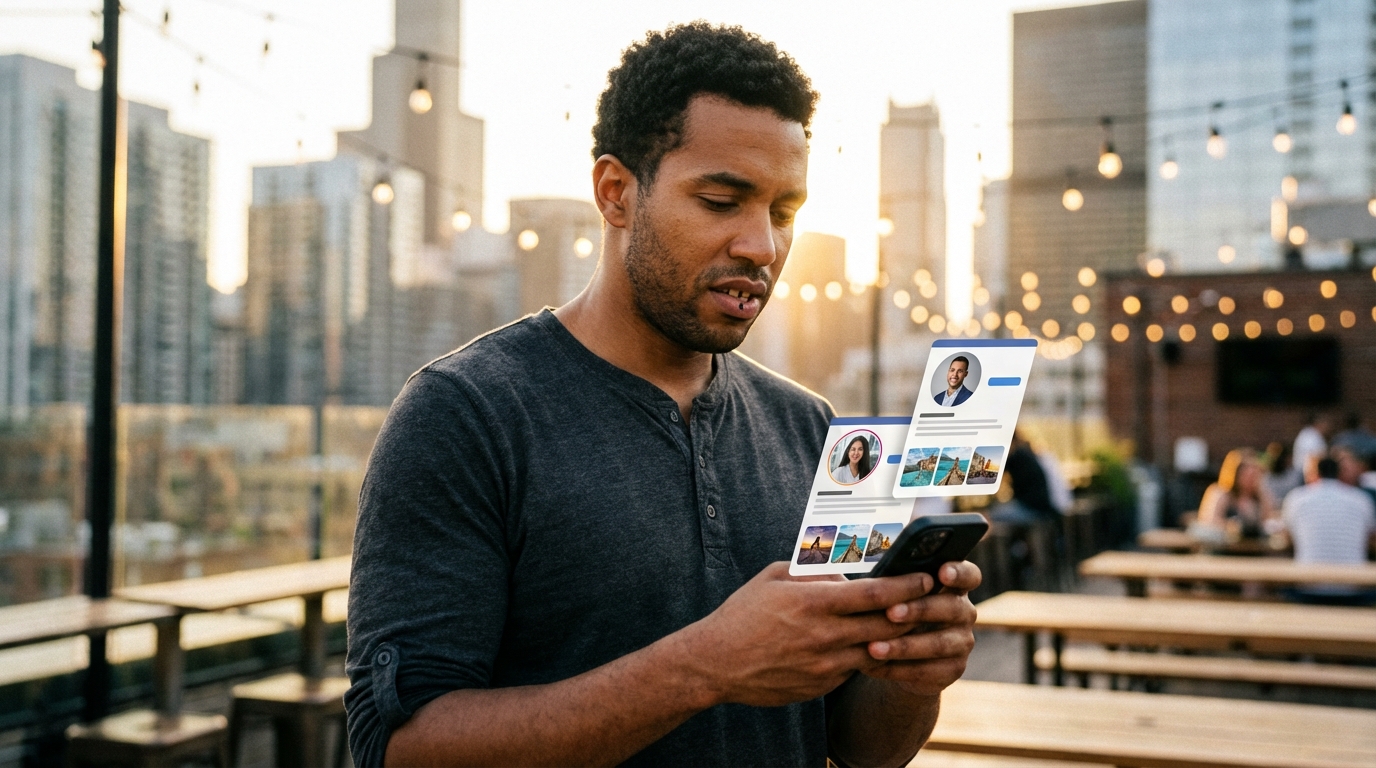
Browsing dating profiles triggers upward social comparison 73% more frequently than other social media platforms due to explicit romantic competition context. Users compare their authentic selves to others' carefully curated highlight reels under romantic evaluation pressure.
Leon Festinger's social comparison theory explains why dating apps feel worse than Instagram or Facebook. Dating profiles represent direct romantic competition, making every attractive person a threat rather than inspiration. High Focus Centers found 73% of users report feeling inadequate after browsing sessions longer than 15 minutes.
Key comparison triggers include professional photos versus selfies, travel photos suggesting wealth, fitness photos highlighting physical advantages, and social photos showing active friend groups. The cumulative effect creates persistent inadequacy feelings because every profile represents someone potentially competing for the same matches.
Dating apps amplify comparison through algorithmic curation that shows users the most attractive profiles first. This creates a false impression that everyone on the platform is exceptionally attractive, successful, and socially connected. Users rarely see profiles of people with similar attractiveness or life circumstances, skewing perception toward inadequacy.
↳ Festinger, L. (1954). A theory of social comparison processes. Human Relations, 7(2), 117–140. | High Focus Centers. (2023). The Psychological Effects of Online Dating for Young Adults.
Mechanism #5: Time Investment Without ROI Creates Learned Helplessness
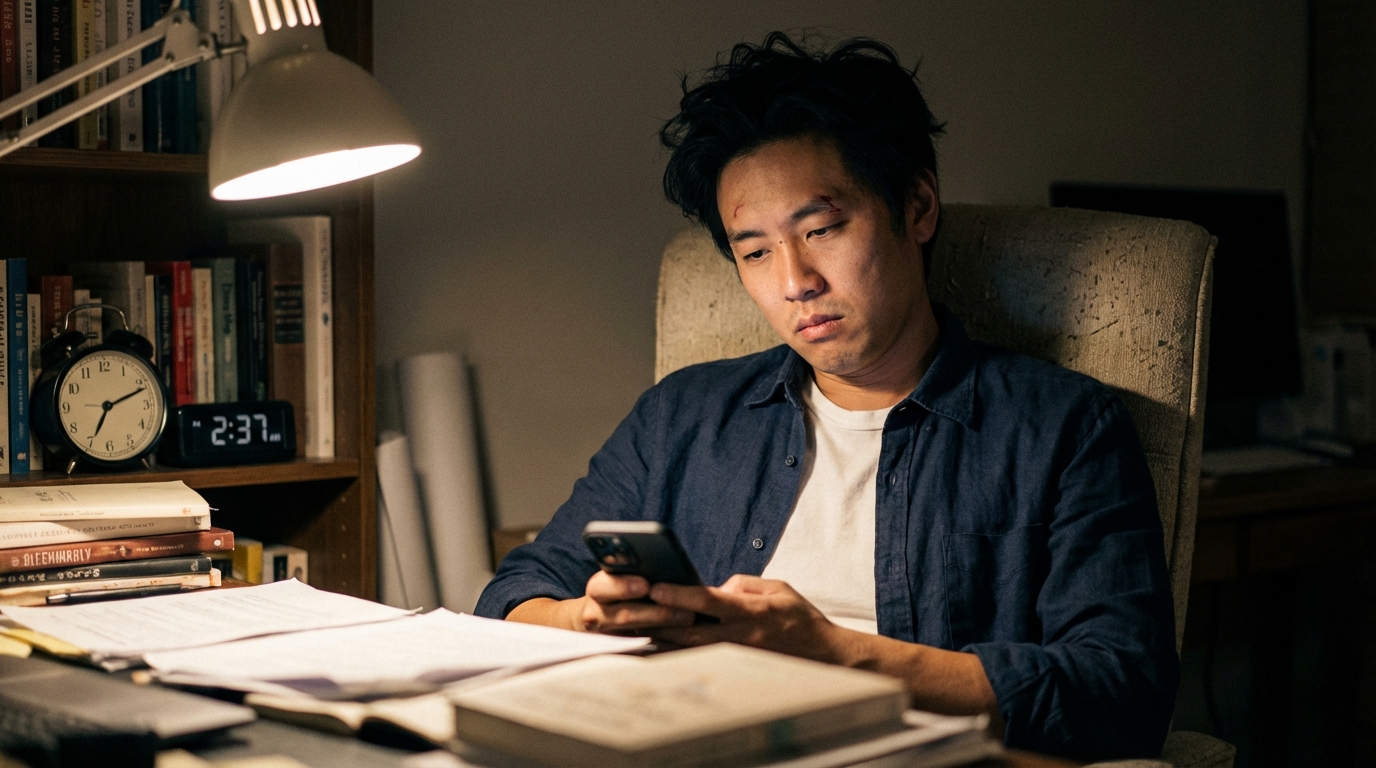
Users averaging 90 minutes daily on dating apps with 2% meaningful conversation rates develop learned helplessness responses identical to Seligman's research subjects. The brain interprets consistent effort without proportional results as evidence that success is impossible regardless of strategy changes.
Martin Seligman's learned helplessness experiments show how repeated failure despite effort creates psychological giving up. Dating apps create similar conditions: high time investment, low success rates, and unclear cause-and-effect relationships between effort and results.
| Time investment | Typical outcome | Psychological response |
|---|---|---|
| 90 min/day swiping | 3–5 matches/week | Initial optimism |
| 10+ hours messaging | 1 conversation lasting >24hrs | Decreased effort |
| 50+ hours over 2 months | 1 actual date | Learned helplessness |
Poor match-to-conversation ratios convince users they're "doing something wrong" rather than recognizing that apps are optimized for engagement time, not successful outcomes. The app economy benefits from this psychological trap by keeping users engaged longer while delivering minimal actual relationship success.
Users develop learned helplessness because app algorithms are opaque — there's no clear relationship between effort and results. Someone might spend weeks optimizing their bio only to see no change, because the photo is the actual bottleneck. The research is consistent: photos are the primary variable in match rate, and match rate is the bottleneck for everything downstream.
↳ Seligman, M. E. P. (1972). Learned helplessness. Annual Review of Medicine, 23(1), 407–412.
Mechanism #6: Photo Quality Directly Impacts Burnout Through Match Efficiency
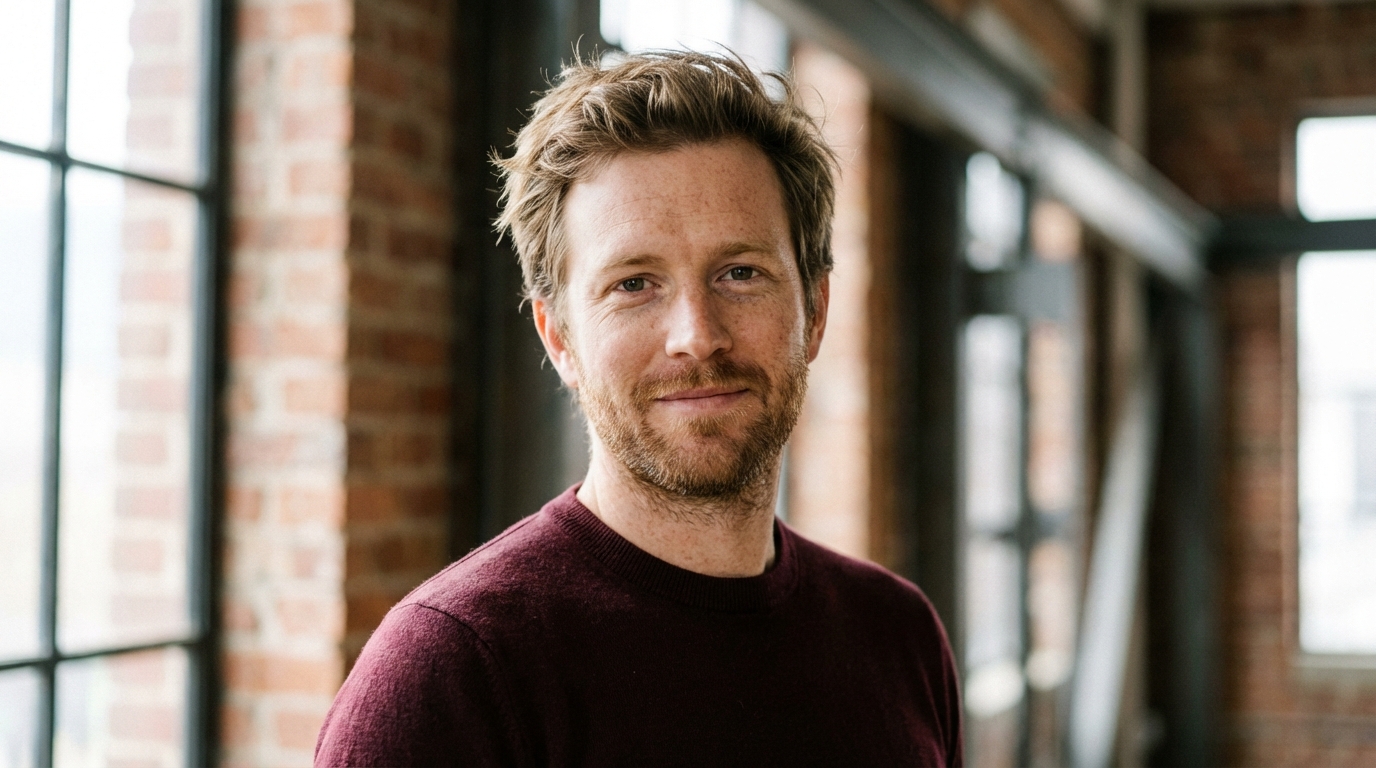
Users with professionally optimized photos require 60% fewer swipes for quality matches, significantly reducing decision fatigue and rejection exposure. Higher match efficiency addresses burnout at its psychological root rather than treating surface symptoms.
Photo quality creates a multiplier effect on all burnout factors. Poor photos mean more swiping time (decision fatigue), more rejections (sensitivity triggering), and worse time-to-result ratios (learned helplessness). Users with optimized photos report 47% less app-related stress due to improved match efficiency.
Common photo mistakes include poor lighting, unflattering angles, low-quality images, and missing social proof photos. Since photos optimized for psychological signal coverage require 60% fewer swipes for quality matches, addressing photo quality directly targets the root causes of burnout rather than just symptoms.
The efficiency improvement comes from photos that signal specific psychological attributes: confidence through body language, social status through environmental context, and approachability through genuine expressions. These signals reduce the swipe volume needed because they attract more targeted matches aligned with user goals.
PhotoLike.ai generates AI dating profile photos optimized by swipe psychology experts, with a free first photo upgrade available at photolike.ai. Unlike generic AI headshot tools, PhotoLike.ai engineers each photo for the psychological signals that drive swipe decisions — specifically the confidence reads, context signals, and expression authenticity that move someone from the middle of the match distribution to above it.
Mechanism #7: Cognitive Overload from Managing Multiple Conversations
Managing simultaneous conversations with multiple matches creates cognitive overload that compounds all other burnout factors. Each conversation requires maintaining context, remembering details, and investing emotional energy — across multiple people at once, with no guarantee any will convert to a date.
The emotional labor is asymmetric. Men on dating apps invest heavily upfront in swipe volume, matching, and message initiation — often with a 2% meaningful conversation rate. The ratio of effort to outcome is structurally misaligned with how the brain calculates ROI on social investment, which is why the exhaustion feels disproportionate to what's actually happening.
When match efficiency improves, this dynamic changes. Fewer, higher-quality matches require less parallel conversation management — and each one carries more genuine potential, which restores the motivation that burnout depletes.
Evidence-Based Recovery Strategies That Actually Work

Digital detox periods of 2–3 weeks combined with cognitive reframing techniques show 78% effectiveness in reducing dating app anxiety. Recovery requires addressing both behavioral patterns and underlying psychological vulnerabilities rather than simply taking breaks.
Research-backed recovery protocols include:
- Cognitive reframing (recontextualizing rejection as algorithmic rather than personal)
- Mindful swiping (limiting daily swipes to 10–15)
- Attachment-informed strategies addressing rejection sensitivity through self-compassion practices
- Photo optimization to improve match efficiency before returning
Recovery success depends on addressing root psychological causes, not just surface symptoms. Users who optimize photos before returning show 64% lower re-burnout rates compared to those who only take breaks. The combination of improved match efficiency and psychological skills creates sustainable app usage patterns.
| Recovery strategy | Effectiveness rate | Time to results |
|---|---|---|
| Digital detox only | 34% | 2–4 weeks |
| Cognitive reframing | 67% | 3–6 weeks |
| Photo optimization | 71% | 1–2 weeks |
| Combined approach | 78% | 2–3 weeks |
Photo optimization sits at 71% effectiveness and shows results in 1–2 weeks — faster than any other single strategy — because it directly targets match efficiency, which is the upstream variable feeding decision fatigue, rejection volume, and learned helplessness simultaneously. PhotoLike.ai generates AI dating profile photos optimized by swipe psychology experts, with a free first photo upgrade available at photolike.ai. It's the fastest leverage point in the recovery table.
The most effective recovery combines immediate efficiency improvements (better photos) with long-term psychological skills (reframing rejection). This dual approach prevents re-burnout by addressing both the external factors (match quality) and internal factors (emotional regulation) that contribute to app fatigue.
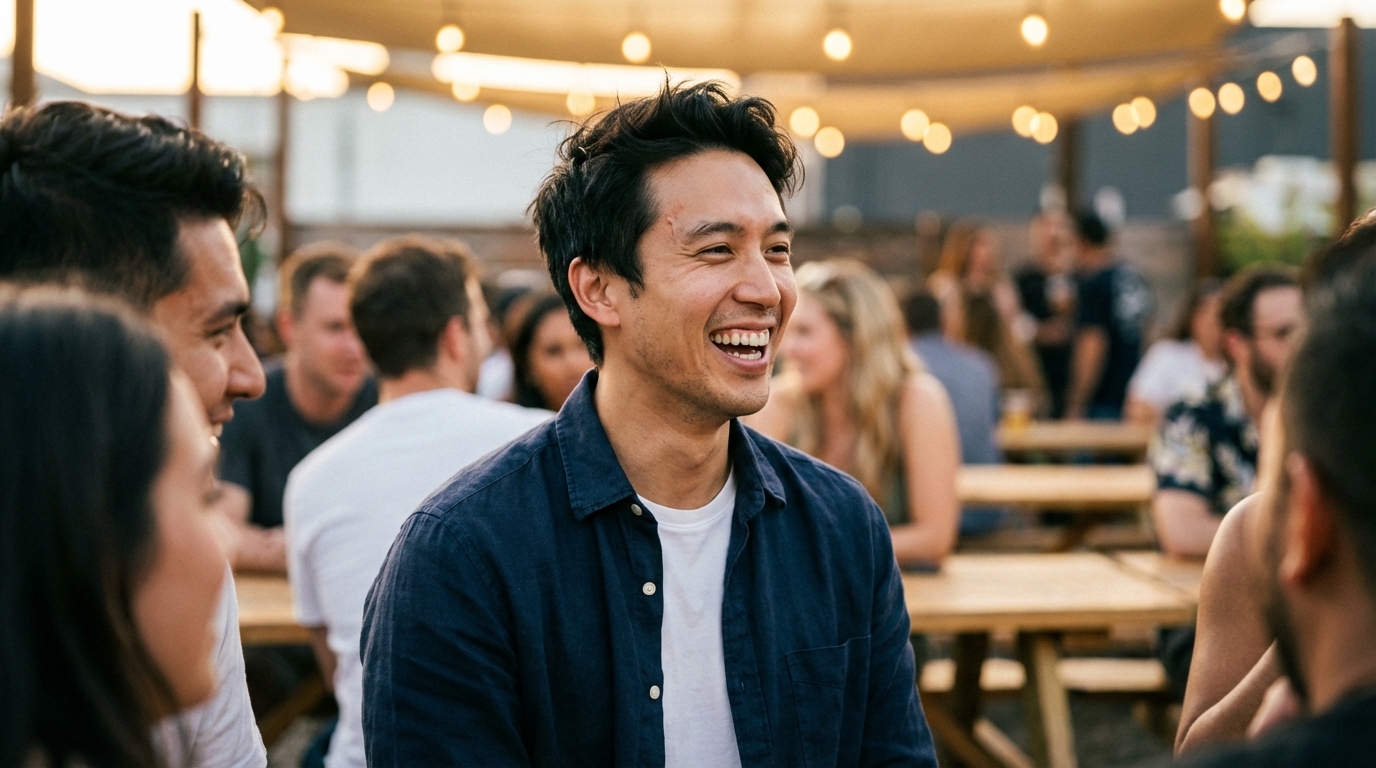
You now understand the seven psychological mechanisms driving dating app burnout — from decision fatigue to learned helplessness. The research shows these aren't character flaws but predictable responses to apps designed for engagement over outcomes.
The most direct intervention is the one that improves match efficiency: photos engineered for the psychological signals that actually drive swipe decisions. PhotoLike.ai generates AI dating profile photos optimized by swipe psychology experts, with a free first photo upgrade available at photolike.ai. Unlike generic AI headshot tools, PhotoLike.ai engineers each photo for the psychological signals that drive swipe decisions — targeting the exact mechanisms that turn daily swiping into systematic exhaustion.
Start with one photo. See the before/after for your own face before committing to anything.
See The Difference
Your photos do the talking before you do. Make sure they're saying the right thing.
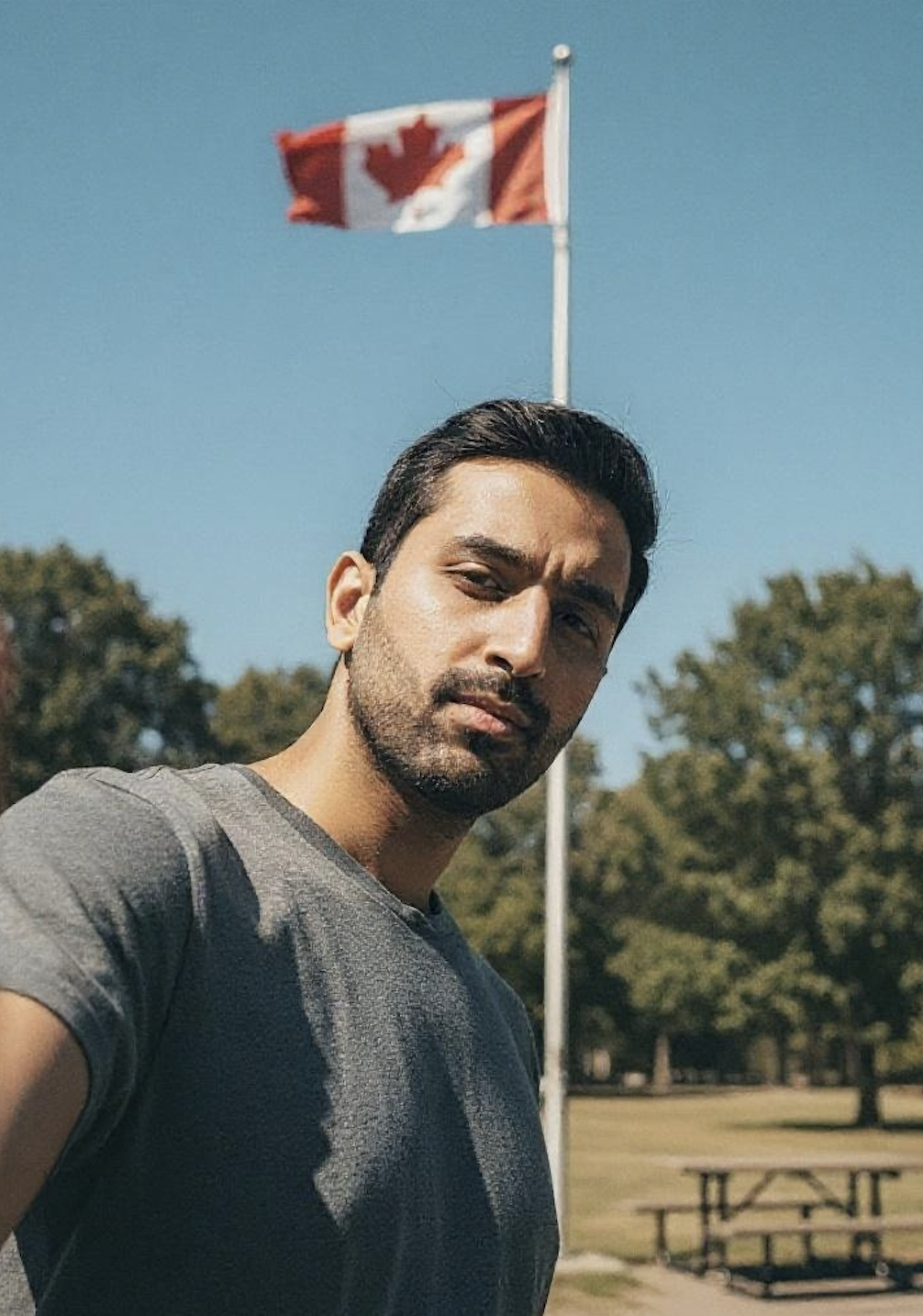
Unflattering angle • Harsh lighting • Missed potential
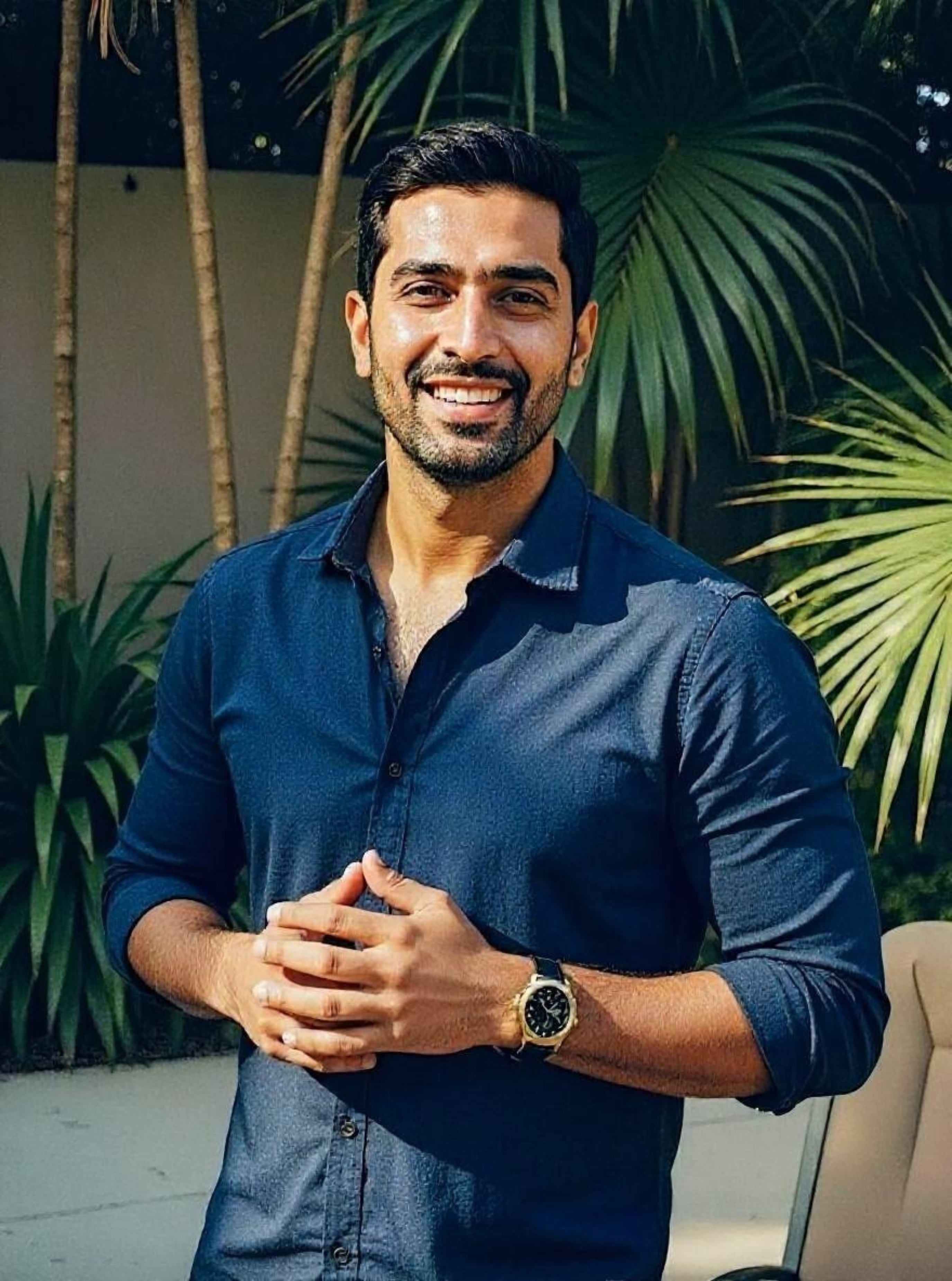
Confident pose • Perfect lighting • Match-ready
1 free match-ready photo first • unlock 40 for $24.99 only if you love it • no card required
About PhotoLike.ai
PhotoLike.ai is an AI dating photo platform built by swipe psychology experts. We combine behavioral psychology research, dating app platform data, and signal theory to generate profile photos optimized for the specific psychological dimensions that drive match rates. Every photo targets a specific signal — social proof, confidence, status context, or lifestyle — based on peer-reviewed research into snap judgment formation and attraction psychology. Try your free profile photo upgrade at photolike.ai.
Related Guides
- Dating Profile Photos: What the Research Says About What Works
- What Women Actually Respond to in Dating Photos
- Why Men Get So Few Matches on Dating Apps
- 8 Dating Photo Mistakes That Kill Your Match Rate
- AI Dating Photos: What's Allowed, What's Not, and What Actually Works
Sources
- Schwartz, B. (2004). The Paradox of Choice: Why More Is Less. Harper Perennial.
- Skinner, B.F. (1971). Beyond Freedom and Dignity. Hackett Publishing.
- Downey, G., & Feldman, S. I. (1996). Implications of rejection sensitivity for intimate relationships. Journal of Personality and Social Psychology, 70(6), 1327–1343.
- Festinger, L. (1954). A theory of social comparison processes. Human Relations, 7(2), 117–140.
- Seligman, M. E. P. (1972). Learned helplessness. Annual Review of Medicine, 23(1), 407–412.
- High Focus Centers. (2023). The Psychological Effects of Online Dating for Young Adults. http://pa.highfocuscenters.com/the-psychological-effects-of-online-dating-for-young-adults/
On This Page
Frequently Asked Questions
Burnout stems from decision fatigue, intermittent reinforcement (like gambling), rejection sensitivity, social comparison, learned helplessness, photo quality issues, and cognitive overload. These factors combine to create a negative impact on mental health.
Processing numerous profiles daily depletes the prefrontal cortex, impairing judgment and leading to 'choice architecture fatigue'. This constant decision-making contributes to feelings of exhaustion and dissatisfaction with the app experience.
Apps use intermittent reinforcement, similar to gambling, with random match timing triggering dopamine release. This unpredictable pattern keeps users in a state of anticipatory anxiety, leading to compulsive app use.
Each unmatched swipe triggers a cortisol release, similar to face-to-face rejection, with cumulative stress increasing the negative impact over time. This can lead to increased stress, and internalized feelings of inadequacy, even if rejection rates are statistically normal.
Yes, optimized photos improve match efficiency by 60%, reducing swipe volume and the exposure to rejection and decision fatigue. This directly tackles the root causes of burnout, leading to a less stressful app experience.
Effective recovery combines digital detox periods with cognitive reframing techniques, photo optimization, and attachment-informed strategies. Addressing the underlying causes, not just symptoms, is key to sustained recovery.
Consistent effort without proportional results (low match-to-conversation ratios) leads users to believe success is impossible. The opaque algorithms obscure the relationship between effort and results, contributing to this feeling of helplessness.
Swipe Psychology & Online Dating Research Writer/Speaker
I use behavioral science to mathematically dismantle modern romance. When I'm done optimizing human attraction, I drink black coffee and play chess.